





Key Takeaways:
-
- The global demand for strength training and digital fitness apps continues to grow, creating strong opportunities for businesses to build a fitness app like Hevy.
- Building a fitness app like Hevy typically costs $30,000 to $150,000+, depending on features, AI capabilities, wearable integrations, and overall app complexity.
- Essential features such as workout tracking, AI-powered recommendations, progress analytics, wearable integration, and social engagement improve user retention and overall experience.
- A successful fitness app can generate recurring revenue through premium subscriptions, in-app purchases, personal coaching, corporate wellness programs, and brand partnerships.
- Choosing a scalable technology stack and an experienced fitness app development team helps accelerate development, reduce long-term maintenance costs, and support future growth.
Strength training has become one of the fastest-growing segments in digital fitness, creating new opportunities for businesses to build a fitness app like Hevy. Modern users expect more than simple workout logging; they want AI-powered recommendations, wearable connectivity, real-time progress tracking, and personalized training experiences.
Whether you’re a startup, fitness brand, or healthcare company, investing in Hevy app development can help you meet this growing demand while creating recurring revenue through subscriptions and premium services.
In this comprehensive guide, you’ll learn how to create a fitness app like Hevy, including its essential features, development process, technology stack, estimated fitness app development cost, monetization strategies, and future trends. By the end, you’ll have a clear roadmap to launch a scalable app like Hevy that delivers long-term value for both users and your business.
What is Hevy App?
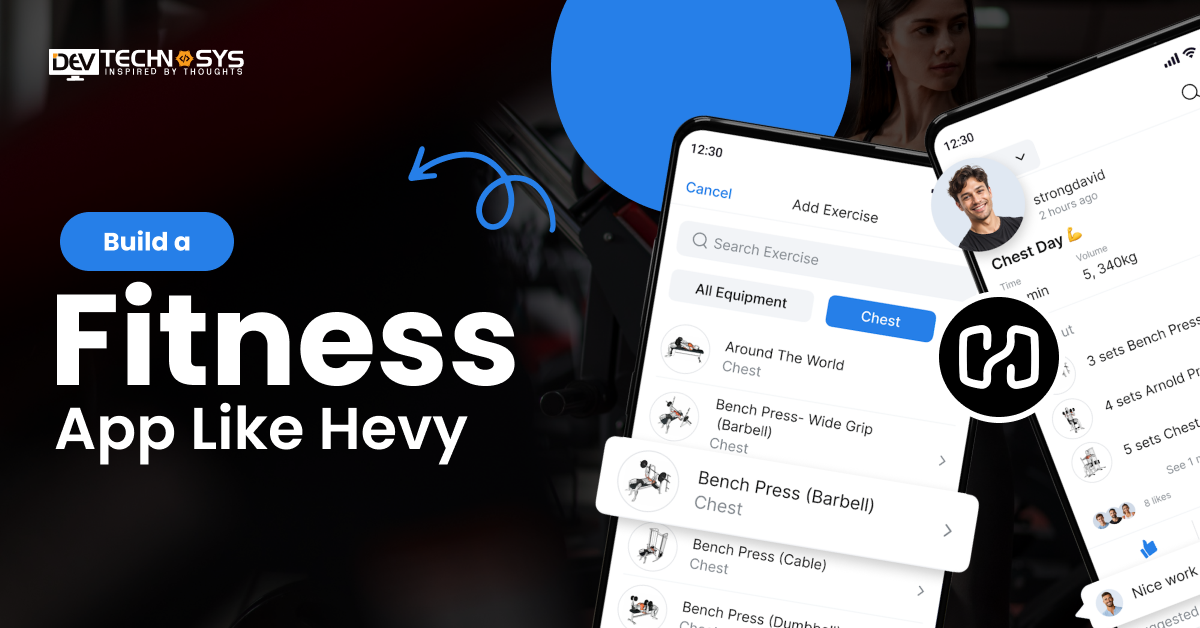
Hevy is a strength training and workout tracking application designed to help users log exercises, monitor progress, and build consistent fitness routines. Its intuitive interface, detailed analytics, and social features have made it a preferred app like Hevy for weightlifters, gym enthusiasts, and fitness professionals. Businesses exploring developing a health & fitness app like 7 minute workout often analyze Hevy’s workout tracking approach to understand which features drive higher engagement and long-term user retention.
What Makes Hevy Different from Other Fitness Apps?
Unlike many fitness applications that focus on general wellness, Hevy is built specifically for strength training. Users can record workouts in seconds, track personal records, analyze progress through visual charts, and access a comprehensive exercise library. These capabilities create a streamlined experience that keeps users motivated while reducing the effort required to manage workout data.
For businesses planning Hevy app development, this focused approach demonstrates the importance of solving a specific user problem instead of offering too many unrelated features.
Why Millions of Users Prefer Hevy for Strength Training
Hevy helps users stay accountable by making workout tracking simple, accurate, and motivating. Features such as progress history, workout templates, performance insights, and community sharing encourage long-term engagement. Its reliable performance across devices also improves the overall user experience. These qualities make it a strong benchmark for workout tracker app development and strength training app development, especially for companies aiming to launch a competitive fitness platform.
Why Build a Fitness App Like Hevy?
The demand for digital fitness solutions continues to grow as more users rely on mobile apps to plan workouts, track progress, and stay motivated. This creates a strong opportunity for businesses looking to build a fitness app like Hevy. If you’ve explored how to build a fitness app like Runna, developing a strength-focused platform can help you reach a dedicated audience with different training goals and long-term engagement potential.
Rising Demand for Strength Training Apps
Strength training has become a core part of modern fitness, driving the need for advanced workout tracking solutions. Users expect features such as exercise logging, performance analytics, and personalized workout plans. This growing demand has encouraged startups and enterprises to invest in gym workout app development and fitness tracking app development that delivers measurable results.
Strong Revenue Potential
A successful app like Hevy can generate recurring revenue through monthly subscriptions, premium workout programs, in-app purchases, and trainer-led coaching plans. Businesses can also introduce branded challenges and corporate wellness packages to increase customer retention. These opportunities make a Hevy clone app an attractive investment with multiple monetization options.
AI and Scalable Technology Drive Growth
Modern fitness platforms stand out by offering personalized experiences powered by AI. Features such as intelligent workout recommendations, wearable API integration, and real-time performance insights improve user engagement and satisfaction. Building a cross-platform fitness app on a secure cloud fitness platform also ensures seamless scalability, allowing businesses to support a growing user base while continuously adding new capabilities through AI fitness Android app development.
Core Features Required to Build a Fitness App Like Hevy
A successful fitness application depends on how well it supports real user behavior, not just how many features it offers. If you plan to build a fitness app like Hevy, the focus should be on simplicity, consistency, and meaningful progress tracking. Users prefer apps that reduce friction during workouts and help them stay consistent over time. The following features represent the core foundation of a modern fitness tracking platform.
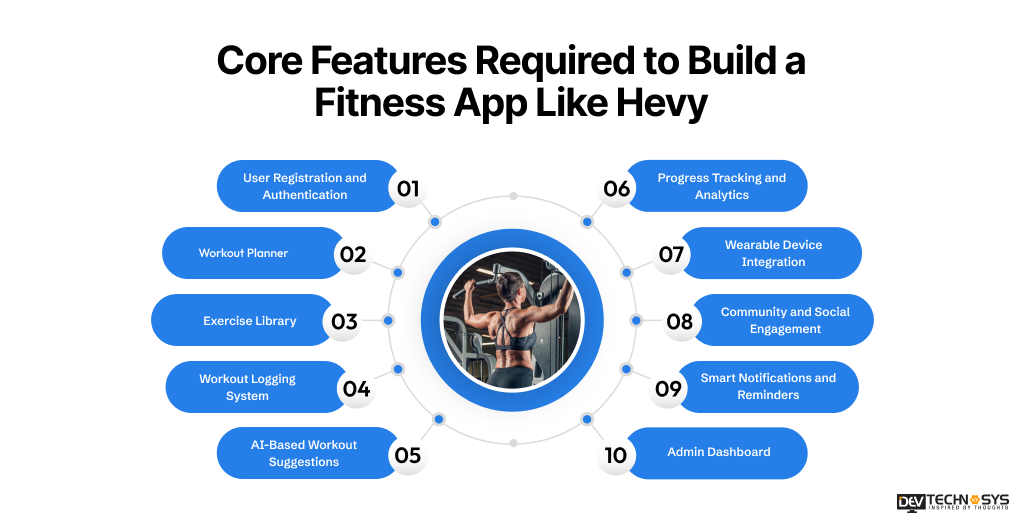
1. User Registration and Authentication
A smooth onboarding experience is essential because it sets the tone for the entire user journey. Users should be able to sign up quickly using email, phone number, or social login options such as Google and Apple. Security must also be a priority, with secure session handling and optional two-factor authentication. A well-designed authentication system ensures users feel safe while storing their fitness data.
2. Workout Planner
The workout planner allows users to structure their training sessions based on personal goals such as strength building, fat loss, or endurance improvement. It helps users schedule workouts in advance and maintain consistency throughout the week. Instead of improvising at the gym, users can follow a clear plan that adapts to their progress over time. This feature plays a key role in long-term user retention
3. Exercise Library
A well-organized exercise library improves usability and learning. It should include a wide range of exercises categorized by muscle groups, training type, and difficulty level. Each exercise should include clear instructions and demonstration videos to ensure proper form. This helps users avoid injuries and perform workouts correctly, especially beginners who rely heavily on guidance.
4. Workout Logging System
Workout logging is the most critical part of any fitness application. It allows users to record sets, reps, weights, and rest time during their training sessions. The system should be fast and easy to use so users can focus on their workout instead of the app. Saved workout history and session notes help users track improvements over time and stay motivated through visible progress.
5. AI-Based Workout Suggestions
Personalization is becoming a key expectation in modern fitness apps. AI-based recommendations analyze user activity, performance history, and goals to suggest optimized workout routines. This helps users train more effectively without needing deep fitness knowledge. Over time, the system adapts to their progress and adjusts recommendations accordingly, making the experience more intelligent and supportive.

6. Progress Tracking and Analytics
Users need clear visibility into their fitness journey to stay motivated. Progress tracking features provide charts and summaries that highlight improvements in strength, endurance, and consistency. Visual data helps users understand their performance trends and identify areas for improvement. This creates a feedback loop that encourages long-term engagement.
7. Wearable Device Integration
Modern fitness users often rely on smart devices for real-time health tracking. Integration with platforms like Apple Health and Google Fit allows the app to sync data such as heart rate, steps, and calorie burn. This creates a more complete fitness profile and improves accuracy in tracking overall health and performance.
8. Community and Social Engagement
Social features help users stay motivated by connecting them with others on similar fitness journeys. Users can share workout summaries, follow friends, and participate in fitness challenges. This sense of community increases accountability and makes the experience more engaging, especially for users who prefer group motivation over solo training.
9. Smart Notifications and Reminders
Consistency is one of the biggest challenges in fitness. Smart notifications help users stay on track by reminding them about workouts, progress updates, and personal milestones. When designed properly, notifications feel supportive rather than intrusive, which improves user retention and daily engagement.
10. Admin Dashboard
The admin dashboard is essential for managing the entire ecosystem. It allows platform owners to monitor user activity, manage exercise content, track app performance, and handle subscriptions. A well-structured backend system ensures the application runs smoothly and scales effectively as the user base grows.
Advanced Features That Make Your Hevy Clone App Stand Out
Basic features help you launch a fitness app, but advanced features decide whether users stay long-term. If you want to build a fitness app like Hevy that competes in a crowded market, you need capabilities that go beyond simple workout tracking. These features focus on personalization, automation, and deeper user engagement.
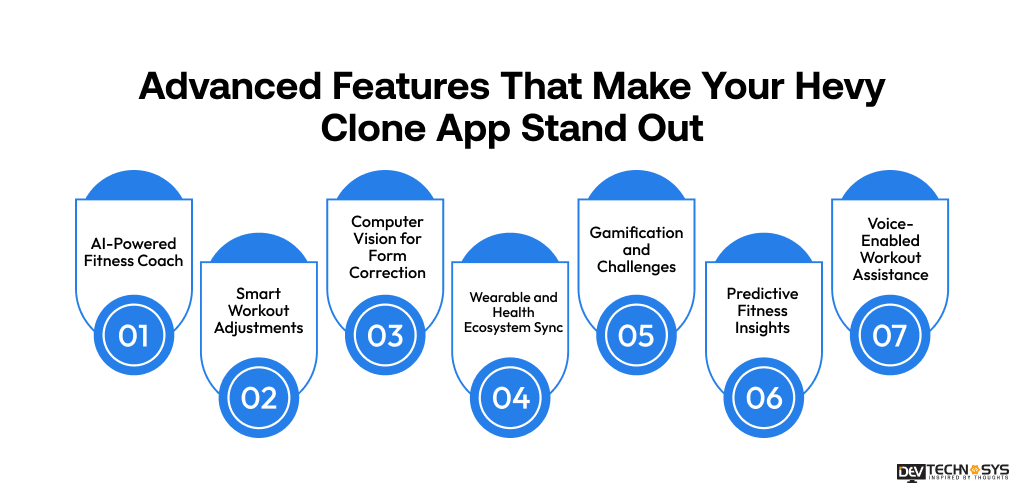
1. AI-Powered Fitness Coach
An AI-powered coach can analyze user workouts, performance trends, and goals to provide personalized recommendations. Instead of following static routines, users get adaptive plans that evolve based on their progress. This makes training more efficient and helps users avoid plateaus. It also improves engagement because the app feels more like a personal trainer than a tracking tool.
2. Smart Workout Adjustments
Smart adjustment features automatically modify workout intensity based on user performance. If a user consistently exceeds or struggles with a plan, the system recalibrates sets, reps, or weights. This creates a more balanced training experience and reduces the risk of injury or burnout.
3. Computer Vision for Form Correction
Advanced fitness apps can use device cameras to analyze exercise form in real time. Computer vision technology detects posture and movement patterns, helping users correct mistakes during workouts. This feature adds a premium layer of guidance and is especially valuable for beginners who lack professional supervision.
4. Wearable and Health Ecosystem Sync
Beyond basic tracking, advanced apps integrate deeply with wearable devices and health ecosystems. Data from smartwatches, fitness bands, and health platforms can be combined into a single dashboard. This gives users a complete view of their health, including sleep, recovery, heart rate variability, and activity levels.
5. Gamification and Challenges
Gamification improves motivation by turning fitness into an interactive experience. Users can unlock achievements, join challenges, and compete with friends. Leaderboards and milestone rewards encourage consistency and make workouts more engaging over time.
6. Predictive Fitness Insights
Predictive analytics helps users understand future outcomes based on current behavior. For example, the app can estimate strength progression or highlight potential performance plateaus. This gives users better clarity on their fitness journey and encourages long-term commitment.
7. Voice-Enabled Workout Assistance
Voice interaction allows users to control workouts hands-free. They can log sets, check timers, or switch exercises using simple voice commands. This is especially useful during intense training sessions where manual interaction is inconvenient.
Step-by-Step Process to Develop a Fitness App Like Hevy
Building a fitness application requires a structured development approach that balances product strategy, design, engineering, and long-term scalability. If you want to build a fitness app like Hevy, following a clear development process helps reduce risks and ensures the final product meets user expectations.
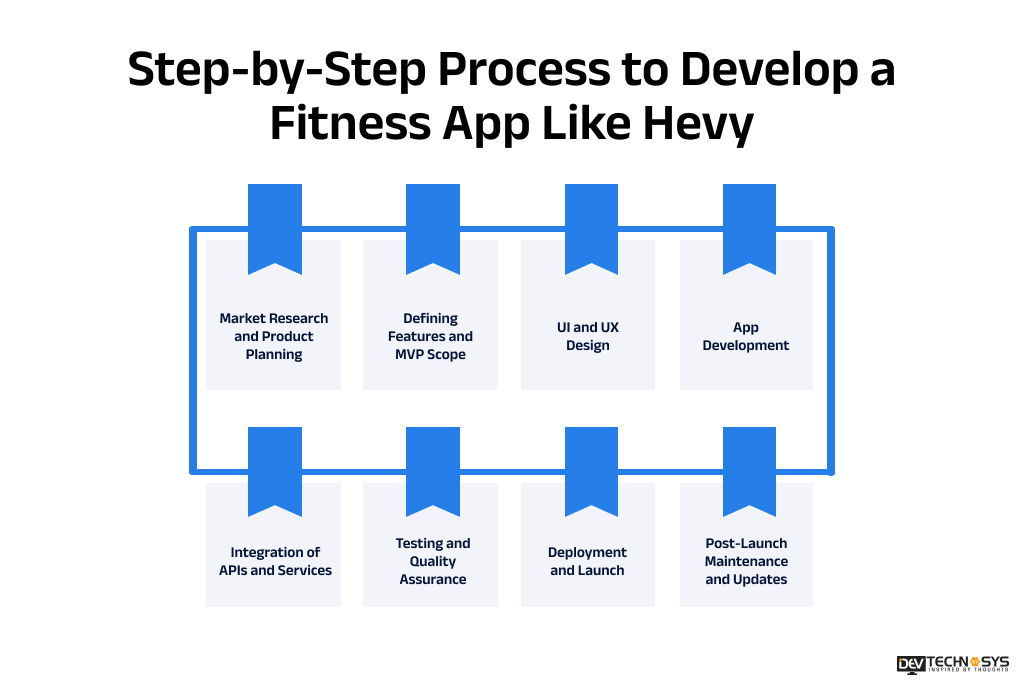
1. Market Research and Product Planning
The first step is understanding your target audience, competitors, and market demand. This includes analyzing user expectations for workout tracking, fitness goals, and engagement features. At this stage, product teams define the core value proposition and decide how the app will stand out in the fitness market.
2. Defining Features and MVP Scope
Once the idea is clear, the next step is to define the minimum viable product. The MVP should focus on essential features like workout tracking, logging, and basic analytics. This helps launch faster and gather real user feedback before investing in advanced functionality.
3. UI and UX Design
Design plays a major role in fitness apps because users interact with them during workouts. The interface must be simple, fast, and distraction-free. Designers create wireframes and prototypes to ensure smooth navigation and a clean workout experience that users can rely on during training sessions
4. App Development
This phase involves building both the frontend and backend systems. Hire mobile app developers in Dubai to choose frameworks such as Flutter or React Native for cross-platform development. The backend is built using scalable technologies that handle user data, workout logs, and real-time updates. A strong architecture ensures the app performs well under heavy usage.
5. Integration of APIs and Services
Modern fitness apps rely heavily on third-party integrations. This includes payment gateways, wearable devices, and health platforms like Apple Health and Google Fit. Secure API integration ensures data flows smoothly between systems without compromising performance or security.
6. Testing and Quality Assurance
Before launch, the app undergoes extensive testing to identify bugs, performance issues, and usability gaps. QA teams test different devices and scenarios to ensure stability. This step is essential for delivering a reliable user experience, especially for real-time workout tracking.
7. Deployment and Launch
Once testing is complete, the app is deployed to platforms like the App Store and Google Play. A successful launch also includes backend monitoring, analytics setup, and performance tracking to ensure everything runs smoothly from day one.
8. Post-Launch Maintenance and Updates
Development does not end after launch. Continuous updates are needed to fix issues, improve performance, and add new features based on user feedback. Regular maintenance ensures the app remains competitive and scalable in the long term.
This structured approach ensures that your fitness application is not only functional but also scalable and user-friendly. A well-planned process is essential when you aim to build a fitness app like Hevy that can compete in a growing and competitive fitness technology market.
Technology Stack Required for Hevy App Development
Choosing the right technology stack is one of the most important decisions when you build a fitness app like Hevy. It directly impacts performance, scalability, and long-term maintenance of the application. A modern fitness platform needs a combination of mobile, backend, cloud, and AI technologies to deliver a smooth user experience.
Below is a detailed breakdown of the technology stack used in fitness app development services and similar fitness platforms.
Layer |
Technology |
Purpose |
| Mobile App (Frontend) | Flutter / React Native | Cross-platform development for iOS and Android |
| Native Development | Swift / Kotlin | High-performance platform-specific features |
| Backend Framework | Node.js / Python (Django, FastAPI) | Handles APIs, business logic, and data processing |
| Database | PostgreSQL / MongoDB | Stores user data, workouts, and analytics |
| Cloud Infrastructure | AWS / Google Cloud / Azure | Scalable hosting and data management |
| Authentication | Firebase Authentication / OAuth 2.0 / JWT | Secure user login and session management |
| APIs Integration | REST API / GraphQL | Communication between frontend and backend |
| Health Integrations | Apple HealthKit / Google Fit API | Sync fitness and wearable data |
| Wearable Devices | Fitbit API / Garmin API | Real-time activity tracking |
| AI/ML Layer | TensorFlow / PyTorch / OpenAI API | Workout recommendations and personalization |
| Notifications | Firebase Cloud Messaging (FCM) / APNs | Push notifications and reminders |
| Payments | Stripe / PayPal API | Subscription and in-app purchases |
| Analytics | Firebase Analytics / Mixpanel | User behavior and engagement tracking |
| DevOps | Docker / Kubernetes / CI/CD Pipelines | Deployment automation and scalability |
| Security | SSL/TLS / AES-256 Encryption | Data protection and secure communication |
How Much Does It Cost to Build a Fitness App Like Hevy?
The cost to develop a fitness application depends on features, technology choices, design complexity, and scalability requirements. If you want to build a fitness app like Hevy, understanding the budget breakdown is essential for planning your product strategy and long-term ROI. A basic MVP will cost significantly less compared to a fully scalable AI-powered fitness platform.
In most cases, the fitness app development cost varies depending on whether you are building a simple workout tracker or a full-featured platform with AI, wearables, and analytics.
Estimated Cost Breakdown
App Type |
Estimated Cost |
Description |
| Basic Fitness MVP | $30,000 – $50,000 | Core workout tracking, user profiles, and basic logging |
| Mid-Level Fitness App | $50,000 – $90,000 | Analytics, workout plans, wearable integration |
| Advanced AI Fitness App | $90,000 – $150,000+ | AI coaching, real-time insights, personalization engine |
Factors That Affect Development Cost
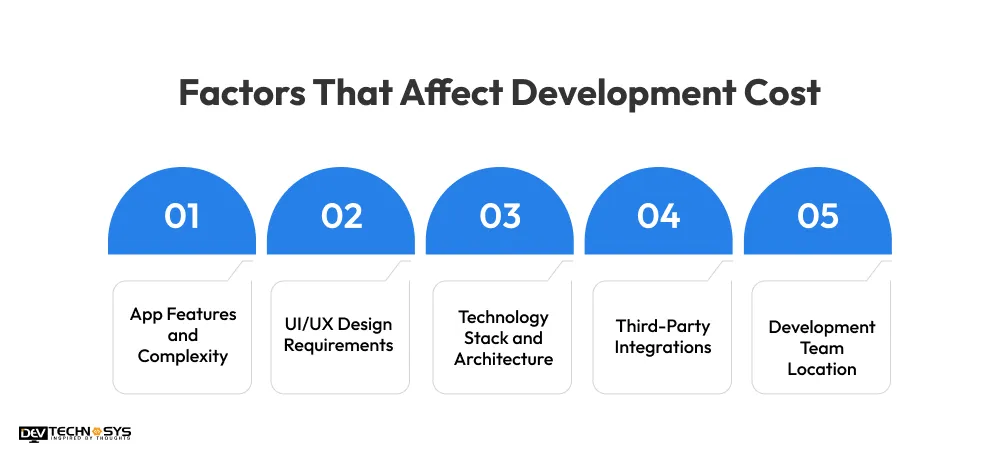
1. App Features and Complexity
The more features you add, the higher the cost. Advanced capabilities like AI coaching, wearable integration, and real-time analytics increase development effort in any workout tracker app development project.
2. UI/UX Design Requirements
Custom and interactive designs require more time and resources. A premium user experience is essential when building a competitive app like Hevy, especially for active fitness users.
3. Technology Stack and Architecture
Choosing scalable cloud infrastructure, secure APIs, and modern frameworks impacts both cost and performance. A strong backend is critical for long-term Hevy app development success.

4. Third-Party Integrations
Integrating Apple Health, Google Fit, payment gateways, and wearable devices adds additional development and licensing costs. These integrations can increase the overall mobile app development cost and also consume the developers time.
5. Development Team Location
Cost also depends on whether you hire developers locally or offshore. Many companies prefer working with a fitness app development company to balance cost, quality, and scalability.
A well-planned budget ensures your investment aligns with business goals and expected user growth. If you want to build a fitness app like Hevy, it is important to prioritize features based on MVP strategy before scaling into advanced AI-driven capabilities.
Monetization Strategies for a Fitness App Like Hevy
A fitness app is not just a digital product; it is also a long-term revenue system when designed correctly. If you plan to build a fitness app like Hevy, choosing the right monetization model is essential for profitability and scalability. Successful fitness platforms combine multiple revenue streams to maximize lifetime user value while keeping the app accessible.
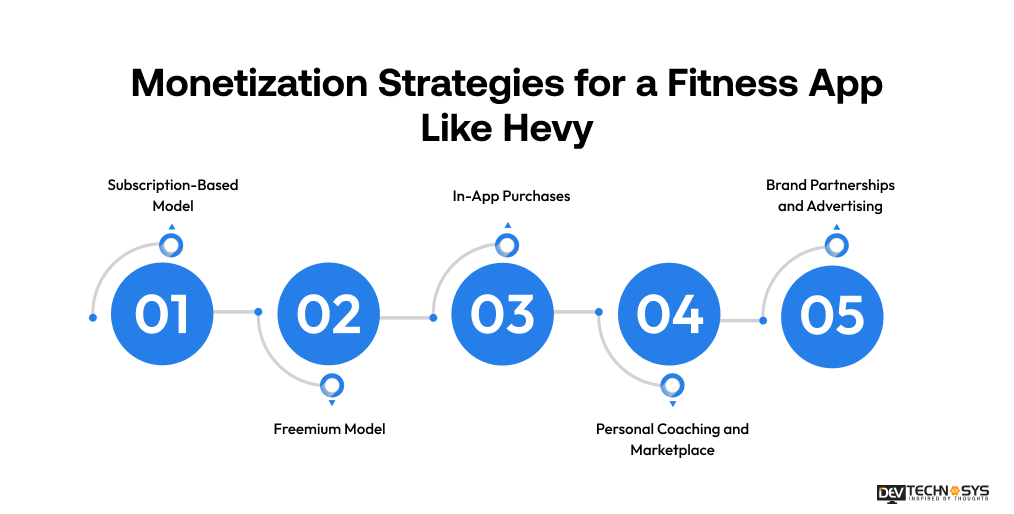
1. Subscription-Based Model
The most common monetization approach is a subscription plan. Users pay monthly or yearly to access premium features such as advanced analytics, personalized workout plans, and AI-based recommendations. This model ensures predictable recurring revenue and is widely used in modern fitness applications.
2. Freemium Model
In a freemium setup, users can access basic features for free while advanced tools are locked behind a paywall. This helps attract a large user base while gradually converting active users into paying customers. It is a proven strategy in Hevy app development for improving user acquisition.
3. In-App Purchases
Fitness apps can offer additional value through one-time purchases such as specialized workout programs, diet plans, or training challenges. This model works well for users who do not prefer long-term subscriptions but still want premium content.
4. Personal Coaching and Marketplace
Another strong revenue stream is connecting users with certified fitness trainers. The platform can take a commission from coaching sessions or personalized training plans. This approach increases engagement and builds a strong fitness ecosystem inside the app.
5. Brand Partnerships and Advertising
Fitness brands, supplement companies, and wellness products can partner with your app for targeted promotions. Unlike intrusive ads, strategic partnerships can feel more integrated and relevant to users focused on health and fitness.
A well-balanced monetization strategy ensures long-term sustainability when you build a fitness app like Hevy. The key is to combine recurring revenue with flexible earning options that support different user segments.
Challenges and Solutions in Fitness App Development
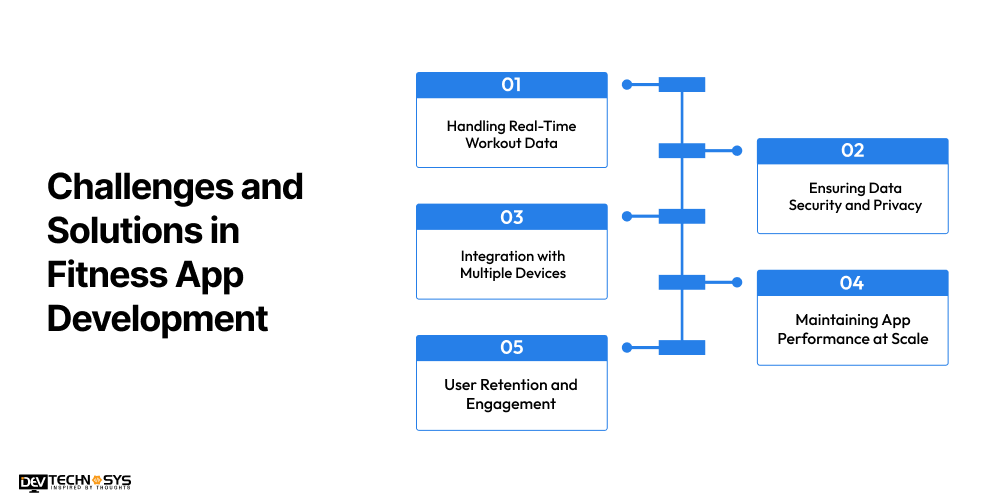
Fitness app development solutions comes with several technical and product challenges, especially when you aim to build a fitness app like Hevy that supports real-time tracking, personalization, and scalability. Understanding these challenges early helps reduce development risks and improves long-term product stability.
1. Handling Real-Time Workout Data
Fitness apps process continuous data such as reps, sets, and performance metrics. Ensuring accuracy and low latency is a challenge. This requires a strong backend architecture and optimized APIs to keep the experience smooth during workouts.
2. Ensuring Data Security and Privacy
User fitness data is sensitive, especially when linked with health metrics and wearable devices. Strong encryption, secure authentication, and compliance with privacy standards are essential to build user trust in any Hevy app development project.
3. Integration with Multiple Devices
Connecting with wearables like smartwatches and fitness bands can be complex due to different APIs and data formats. A proper API integration strategy is needed to ensure smooth synchronization across platforms.
4. Maintaining App Performance at Scale
As the user base grows, performance issues such as slow loading or syncing delays can occur. Cloud-based infrastructure and scalable backend systems are necessary to support long-term growth when you build a fitness app like Hevy.
5. User Retention and Engagement
One of the biggest challenges is keeping users consistent with their workouts. Features like reminders, personalization, and progress tracking help improve retention, but they must be carefully designed to avoid overwhelming the user.
Future Trends in Fitness App Development
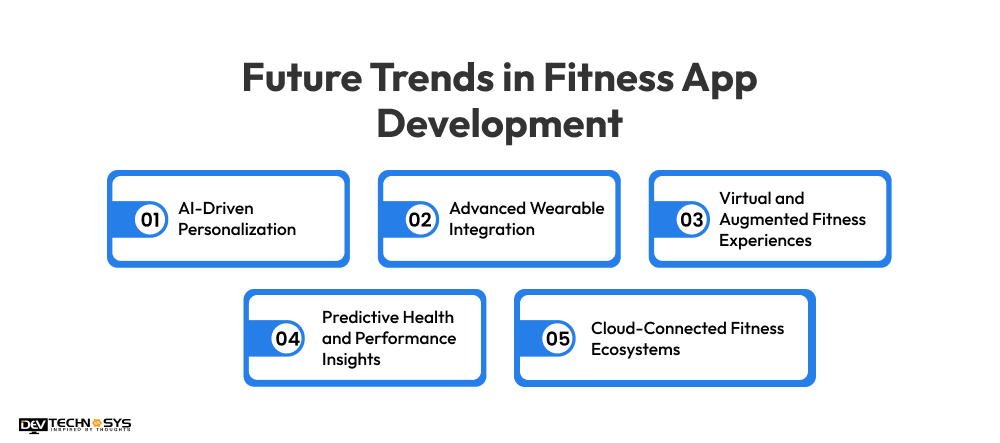
The fitness technology landscape is evolving rapidly as users demand more personalized, intelligent, and connected experiences. If you plan to build a fitness app like Hevy, staying aligned with emerging trends is essential to remain competitive and future-ready.
1. AI-Driven Personalization
Artificial intelligence is becoming a core part of modern fitness platforms. Medical fitness app like DHA can now analyze user behavior, workout history, and goals to create adaptive training plans. This level of personalization is shaping the future of Hevy app development and improving long-term user engagement.
2. Advanced Wearable Integration
Fitness apps are moving beyond basic step tracking. Future systems will deeply integrate with wearables to monitor sleep quality, recovery levels, stress, and heart rate variability. This creates a more complete health ecosystem powered by real-time data synchronization.
3. Virtual and Augmented Fitness Experiences
AR and VR technologies are starting to transform home workouts by simulating real gym environments. According to the mobile app development company, these immersive experiences increase motivation and make training more interactive, especially for users who prefer guided sessions.
4. Predictive Health and Performance Insights
Future fitness apps will not only track progress but also predict outcomes. By analyzing patterns, apps can forecast performance plateaus, injury risks, and optimal training intensity, helping users make smarter fitness decisions.

5. Cloud-Connected Fitness Ecosystems
Modern apps are shifting toward fully connected cloud ecosystems where users can access their workout data across multiple devices. This improves flexibility and ensures seamless synchronization, which is critical when you build a fitness app like Hevy at scale.
Conclusion
Building a successful fitness platform requires a clear strategy, strong features, and scalable technology. If you plan to build a fitness app like Hevy, focusing on user experience, workout tracking, and personalization is essential for long-term success. From core functionality to advanced AI-driven features, every layer of development contributes to better engagement and retention.
With the right planning and execution, an app like Hevy can become a strong business opportunity in the growing digital fitness market. Choosing the right development approach and skilled professionals can significantly improve your product outcome.
If you are ready to move forward, it is a good idea to hire dedicated developer resources who can help you turn your fitness app idea into a scalable and high-performing solution.
Frequently Asked Questions (FAQs)
Q1. How much does it cost to build a fitness app like Hevy?
The cost to build a fitness app like Hevy typically ranges from $30,000 to $150,000+, depending on features, design complexity, platform choice, and scalability needs. Advanced features like AI coaching, wearable integration, and real-time analytics significantly increase development costs compared to a basic MVP version.
Q2. How long does it take to develop a fitness app like Hevy?
On average, it takes around 3 to 6 months to develop a basic version and 6 to 12 months for a fully featured fitness app. The timeline depends on UI complexity, backend architecture, API integrations, testing cycles, and whether you are building a cross-platform or native application.
Q3. What technologies are used in fitness app development like Hevy?
Modern fitness apps use technologies like Flutter or React Native for mobile apps, Node.js or Python for backend systems, and databases like PostgreSQL or MongoDB. Integration with Firebase Authentication, REST APIs, Apple HealthKit, Google Fit, and wearable APIs is also common.
Q4. What are the biggest challenges in building a fitness app like Hevy?
The main challenges include handling real-time workout data, ensuring accurate tracking, integrating multiple wearable devices, maintaining performance at scale, and keeping users engaged over time. Strong backend architecture and intuitive UX design help overcome these challenges.
Q5. Can AI be integrated into a fitness app like Hevy?
Yes, AI can be used for personalized workout recommendations, predictive performance tracking, and adaptive training plans. Machine learning models analyze user behavior and suggest optimized workouts, making the app more intelligent and engaging.
Q6. What is the difference between a basic fitness app and an advanced app like Hevy?
A basic fitness app focuses on logging workouts, while an advanced app like Hevy includes analytics, progress tracking, social features, wearable integration, and AI-powered recommendations. Advanced apps also use cloud infrastructure for scalability and real-time data sync.
Q7. What backend architecture is best for a scalable fitness app?
A scalable fitness app typically uses a microservices or modular backend architecture with Node.js or Python, cloud hosting on AWS or Google Cloud, and REST or GraphQL APIs for communication. This ensures high performance and easy scaling as users grow.