





Are you dreaming of building your own online shopping app?
In 2025, develop an e-commerce app is not just for big companies; anyone with a great idea and the right steps can do it!
With more people shopping online than ever before, having a smooth, user-friendly app can help your business grow fast.
Key takeaways:
-
- The UAE e-commerce market is booming, expected to exceed $8 billion by 2025, driven by high smartphone and internet penetration.
- Developing an e-commerce app in UAE typically costs between $8,000 and $25,000+, depending on complexity and features.
- Key features include multilingual support, local payment gateways, real-time tracking, and personalized recommendations tailored for UAE users.
- AI-powered personalization and chatbot integration enhance customer engagement, increasing conversion rates and average order value.
This step-by-step guide will show you how to turn your idea into a fully working e-commerce app. We’ll cover everything from planning your features and choosing the best design to selecting the right technology and launching your app.
This guide will help you learn the process in a simple, clear way. Get ready to build something amazing and bring your online store to life, one step at a time!
Market Statistics of E-commerce Applications
- The e-commerce market is expected to make $8.00 billion in 2025.
- The market is anticipated to reach a volume of US$10.11 billion by 2029, with revenue predicted to expand at a compound annual growth rate (CAGR 2025-2029) of 02%.
- The majority of income is produced in China, where the market is expected to reach a value of US$1.38 trillion by 2025.
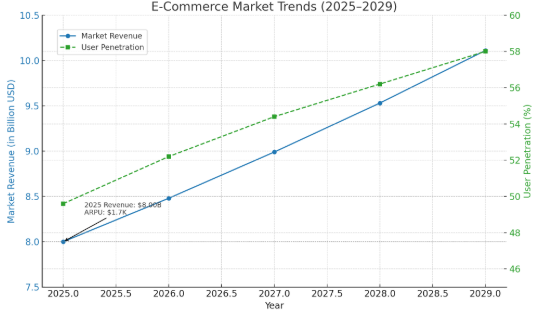
- It is anticipated that there will be7 million consumers in the e-commerce market by 2029.
- In 2025, user penetration will be 6%, and by 2029, it is anticipated to reach 58.0%.
- An estimated US$1.70k will be the average revenue per user (ARPU).
What is an E-commerce App?
An e-commerce app is a mobile or web application that allows users to browse, purchase, and manage products or services online. These apps offer features like product listings, secure payment gateways, order tracking, and customer support. E-commerce app like Mumzworld streamline the shopping experience, enabling businesses to reach a wider audience and customers to shop conveniently from anywhere.
User Case Study: Temu – A E-commerce App
- Temu launched globally in 2022, focusing on affordable products through a direct-to-consumer e-commerce platform powered by PDD Holdings.
- The app quickly gained popularity for offering deep discounts on a wide variety of products, attracting millions of users worldwide.
- Temu achieved over 30 million downloads within its first year, becoming one of the fastest-growing shopping apps globally.
- The platform’s success is driven by strong supply chain integration and AI-driven personalized recommendations enhancing user experience.
- Temu expanded rapidly by leveraging cross-border logistics and partnerships to deliver products efficiently to multiple international markets.
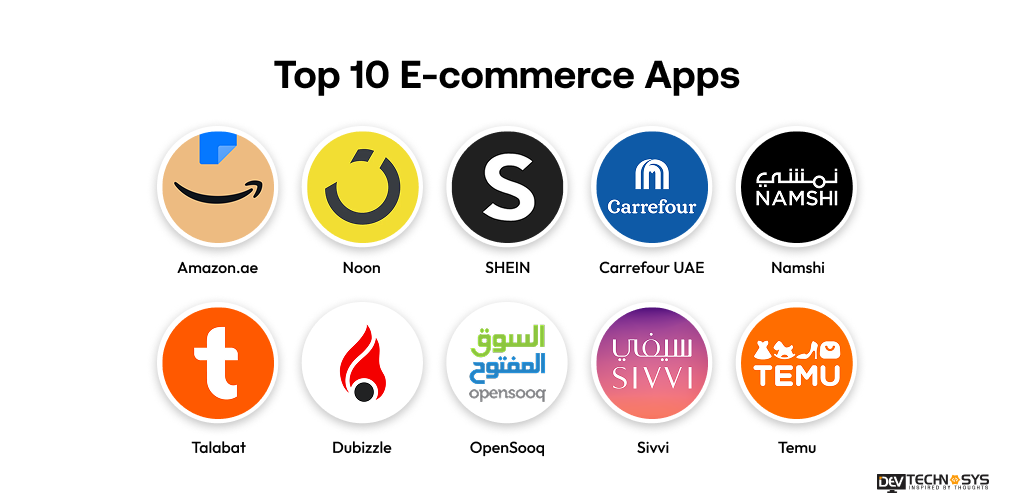
Top 10 E-commerce Apps
Discover the UAE’s top e-commerce apps revolutionizing online shopping, from Amazon to SHEIN, Noon to Temu, offering unbeatable deals, seamless delivery, and shopping experiences tailored to your lifestyle.
App Name |
Est. Downloads |
Ratings |
Launched Year |
Platforms |
| Amazon.ae | 100M+ | 4.4★ | 2019 (Souq in 2005) | iOS & Android |
| Noon | 10M+ | 4.3★ | 2017 | iOS & Android |
| SHEIN | 500M+ (global) | 4.6★ | 2015 | iOS & Android |
| Carrefour UAE | 10M+ | 4.4★ | 2012 (app ~2015) | iOS & Android |
| Namshi | 5M+ | 4.4★ | 2011 | iOS & Android |
| Talabat | 10M+ | 4.3★ | 2004 (app ~2013) | iOS & Android |
| Dubizzle | 5M+ | 4.2★ | 2005 | iOS & Android |
| OpenSooq | 10M+ | 4.5★ | 2012 | iOS & Android |
| Sivvi | 1M+ | 4.3★ | 2014 | iOS & Android |
| Temu | 100M+ (global) | 4.6★ | 2022 | iOS & Android |
Why Today’s Entrepreneurs Invest in E-commerce App Development?
In today’s digital-first economy, entrepreneurs are increasingly turning to e-commerce development services as a powerful growth strategy. Here are five compelling reasons why:
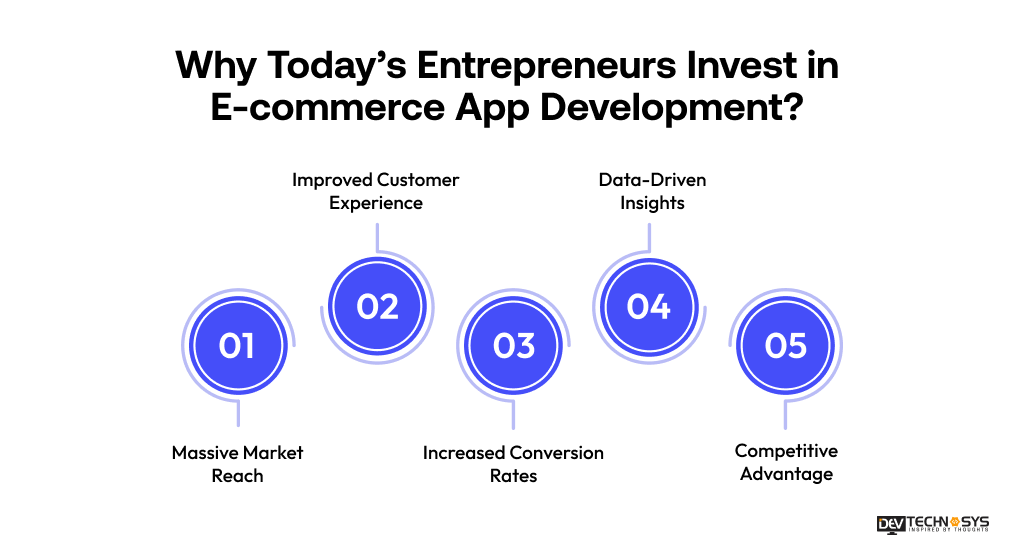
1. Massive Market Reach
Mobile commerce is booming worldwide, and the UAE is no exception. With smartphone adoption above 90%, entrepreneurs can contact millions of tech-savvy people directly via mobile apps. Unlike traditional storefronts, e-commerce applications provide 24-hour access to global and local marketplaces, removing geographic barriers.
2. Improved Customer Experience
Modern consumers want convenience, quickness, and customization. If entrepreneurs build a successful e-commerce website, it provides smooth navigation, tailored suggestions, real-time tracking, and secure payment methods. Entrepreneurs who provide a flawless mobile purchasing experience may greatly enhance consumer happiness and retention.

3. Increased Conversion Rates
E-commerce mobile app for businesses routinely beat webpages in terms of user engagement and conversions. Push alerts, rapid checkouts, loyalty awards, and one-click reordering all contribute to increasing buy frequency. Businesses may more effectively turn attention into revenue by using an app.
4. Data-Driven Insights
E-commerce MVP app development solutions enable entrepreneurs to collect and analyze significant user data, ranging from browsing behaviors to purchasing activity. These information may be utilized to manage inventory, improve marketing techniques, and provide customized experiences that increase ROI.
5. Competitive Advantage
As the market grows more saturated, a well-designed mobile app may help a company stand out. It exhibits professionalism, fosters trust, and raises brand awareness. Startups and SMEs profit the most from early entry into the mobile commerce arena, giving them an advantage over competitors that continue to use web-only methods.
How AI Can Help E-commerce Applications?
- AI analyzes user behavior and preferences to suggest relevant products, increasing conversions and enhancing customer shopping experiences.
- AI-powered chatbots provide instant customer support, answer queries, and guide users through purchasing processes 24/7.
- AI in e-commerce monitors competitor prices and demand trends to automatically adjust product pricing for maximum profitability and competitiveness.
- AI predicts demand patterns to optimize stock levels, reducing overstocking or shortages and improving supply chain efficiency.
- AI detects unusual transaction patterns and flags suspicious activity, helping prevent fraudulent orders and ensuring secure payments.
7 Steps to Develop an E-commerce App
Launch your online store with a powerful, user-friendly e-commerce app. Manage products, track orders, and engage customers seamlessly. Ideal for startups or growing businesses, our app offers secure payments, real-time inventory, and mobile-optimized shopping for a complete retail experience.
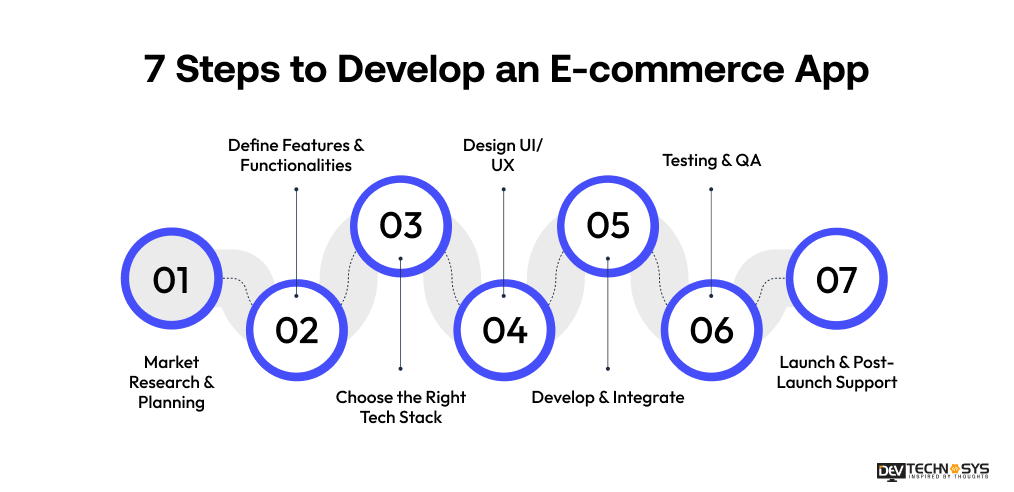
1. Market Research & Planning
Start with thorough research on your target audience, competitors, and trends. Hire an iOS app developer to define your unique value proposition, business model, and product niche. This step lays the foundation for strategic decisions in design, technology, and marketing. A clear roadmap ensures your app meets user expectations and fills a gap in the market.
2. Define Features & Functionalities
List essential features like product catalog, search filters, shopping cart, secure checkout, and user profiles. Include advanced elements such as push notifications, reviews, and AI-driven recommendations. Prioritize features based on user needs and MVP goals. A focused feature set improves development speed, budget management, and customer satisfaction from launch.
3. Choose the Right Tech Stack
Select the appropriate technologies for front-end, back-end, and database management. Decide between native (iOS/Android), cross-platform (Flutter/React Native), or PWA approaches. The tech stack should align with scalability, budget, performance, and maintenance capabilities.
Consulting experienced developers of an artificial intelligence development company to ensure you choose a reliable and future-ready foundation for your app.
4. Design UI/UX
Create an intuitive and engaging user interface. Focus on smooth navigation, mobile responsiveness, and clear visuals. A good UX reduces cart abandonment and boosts retention. Design wireframes and prototypes before development to test layout and functionality. Visual appeal combined with usability significantly improves customer trust and app success.
5. Develop & Integrate
Hire professional developers from the top e-commerce development companies in UAE to begin development with a modular approach, encompassing front-end, back-end, and API integrations. Add secure payment gateways, inventory systems, and shipping logistics. Ensure compliance with security protocols like SSL and data encryption. Use agile methods for iterative testing and improvements.
6. Testing & QA
In the sixth stage, develop an e-commerce app and test the app across devices for bugs, crashes, and performance issues. Perform functional, usability, and security testing. Involve real users for beta testing and gather feedback. Ensure your app meets all App Store and Play Store guidelines. A well-tested app builds trust and reduces post-launch support costs.
7. Launch & Post-Launch Support
Assemble skilled developers from a shopping app development company to deploy the app on iOS and Android stores with proper metadata and visuals. Launch with marketing campaigns and track early user behavior.
Post-launch, monitor analytics, fix bugs, and release updates. Provide customer support and evolve features based on feedback. Continuous improvement ensures long-term growth and user retention.
Why Users Use E-Commerce Applications Over Offline Stores?
Users prefer e-commerce applications over offline stores for unmatched convenience, 24/7 access, wider product variety, competitive pricing, and personalized experiences. Online shopping saves time, offers easy price comparisons, exclusive deals, and doorstep delivery, making it the smarter, faster choice for modern consumers worldwide.
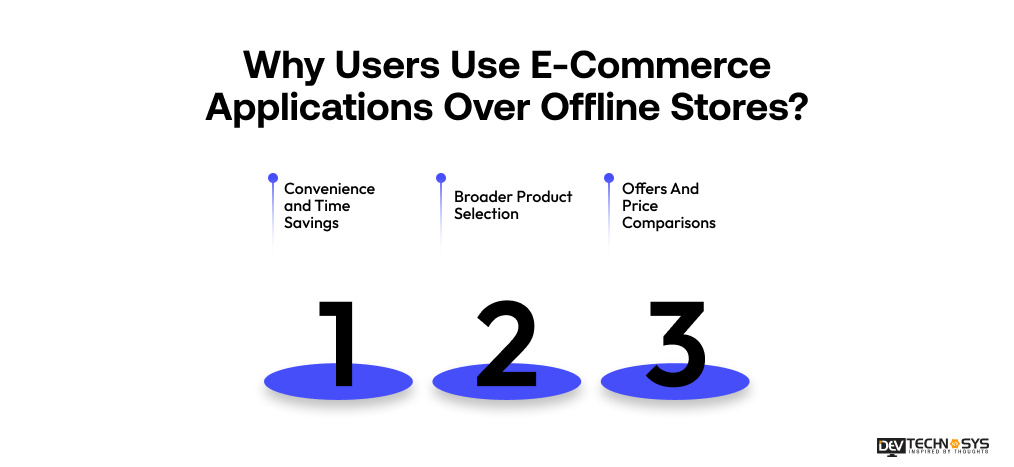
1. Convenience and Time Savings
E-commerce applications enable users to shop at any time, from any location, without having to travel or wait in line. Products may be delivered to their doorsteps with a few clicks. This saves time, minimizes effort, and provides a convenient shopping experience that traditional businesses cannot always match.
2. Broader Product Selection
Online retailers frequently provide a considerably greater choice of items than conventional stores. Users may look at many brands, sizes, and styles from different merchants in one spot. This diverse assortment enables people to make educated selections and locate precisely what they want, which may not be accessible in physical locations.
3. Offers And Price Comparisons
E-commerce platforms routinely provide exceptional discounts, flash sales, and exclusive online bargains. Users may quickly compare prices from many sellers to ensure they receive the best deal. With access to user reviews and ratings, buyers are more confidence in their choices and frequently save more than they would in physical locations.
10 Must-Have Features of E-commerce Applications
Creating a successful e-commerce app requires integrating essential features that enhance user experience, streamline operations, and boost sales. Here are the top 10 must-have features:
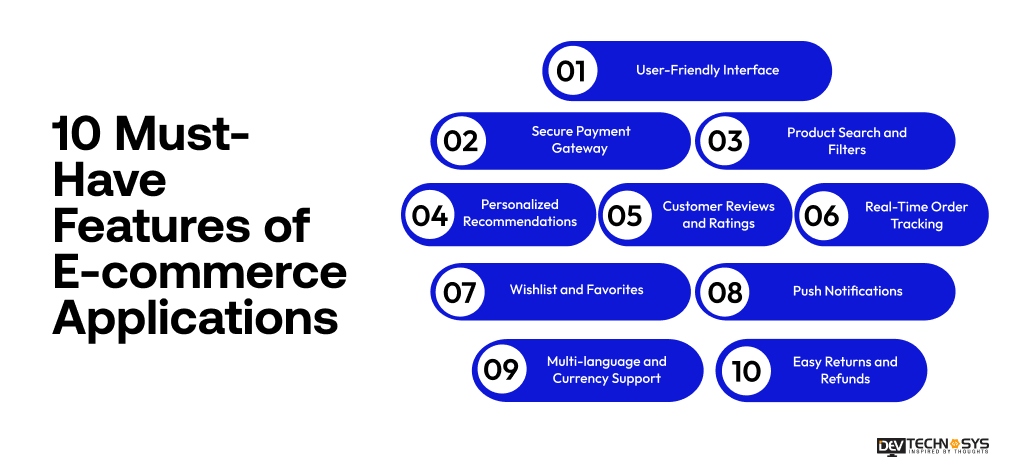
1. User-Friendly Interface
A clean, intuitive design ensures easy navigation, quick product searches, and seamless browsing, keeping users engaged and reducing bounce rates.
2. Secure Payment Gateway
Offering multiple secure payment options (credit/debit cards, wallets, UPI, net banking) with encryption safeguards customer data and builds trust.
3. Product Search and Filters
Advanced search with filters like price, category, ratings, and brands help users quickly find the products they want.
4. Personalized Recommendations
AI-driven suggestions based on browsing history and preferences increase cross-selling and upselling opportunities.

5. Customer Reviews and Ratings
An e-commerce app with logistics Module displaying honest reviews and ratings builds credibility and assists users in making informed purchase decisions.
6. Real-Time Order Tracking
Allowing customers to track their orders in real time enhances transparency and improves customer satisfaction.
7. Wishlist and Favorites
Users can save products for later, making it easier to revisit and purchase items at their convenience.
8. Push Notifications
Timely updates about offers, order status, and personalized deals help keep users engaged and encourage repeat purchases.
9. Multi-language and Currency Support
Supporting various languages and currencies caters to a global audience, expanding the app’s reach.
10. Easy Returns and Refunds
A simple, transparent return and refund process increases customer confidence and loyalty.
What is the Cost to Develop an E-commerce App?
The cost to build an e-commerce app varies widely based on features, platform (iOS, Android, or both), design complexity, and development team location. Basic apps typically start around $8,000 to $15,000, while advanced apps with custom features, AI integration, and robust backend systems can exceed $25,000.
Additional cost to develop an app include maintenance, updates, and marketing. Choosing a skilled development team and a clear project scope helps optimize the budget without compromising quality or functionality.
Service |
Cost Range (USD) |
| Basic App Development | $8,000 – $15,000 |
| Advanced Features & AI | $15,000 – $25,000+ |
| UI/UX Design | $5,000 – $15,000 |
| Backend Development | $10,000 – $20,000 |
| Payment Integration | $3,000 – $5,000 |
| Testing & QA | $5,000 – $7,000 |
| Maintenance (Annual) | $4,000 – $8,000 |
Estimated Development Cost: $8,000 – $25,000+
What Are the Major Factors That Affect the E-commerce App Development Cost?
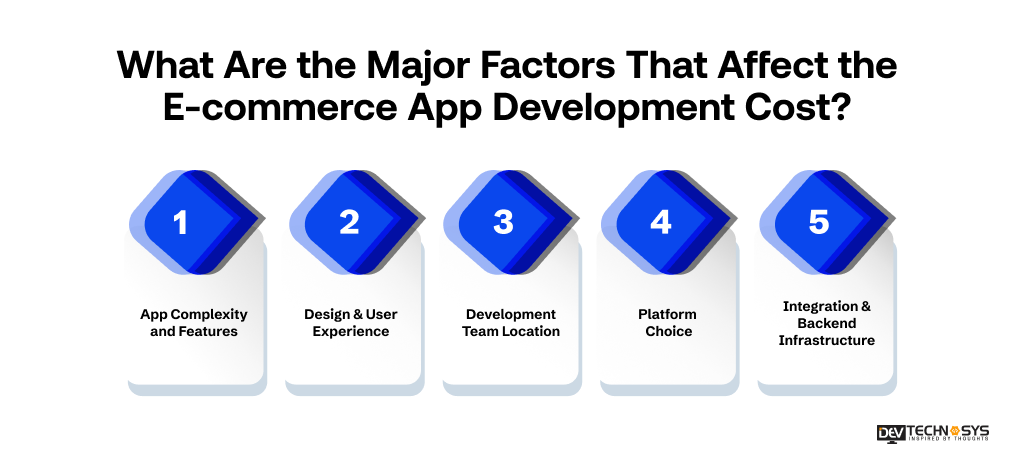
Major factors affecting custom e-commerce app development cost include app complexity, feature set, design quality, development team location and expertise, platform choice (iOS, Android, or both), backend infrastructure, third-party integrations, and ongoing maintenance requirements, all influencing the overall budget.
1. App Complexity and Features
The e-commerce platform development cost is mostly determined by the app’s complexity and features. Basic applications with fewer functionalities are less expensive, however complex features such as AI suggestions, real-time tracking, various payment choices, and personalized interfaces demand more development time, experience, and testing, greatly raising the entire cost to develop an e-commerce mobile app.
Feature |
Estimated Cost (USD) |
| Basic Product Listings | $2,000 – $5,000 |
| Shopping Cart Functionality | $3,000 – $7,000 |
| Wishlist & Save for Later | $1,500 – $3,000 |
| Real-Time Order Tracking | $3,000 – $6,000 |
| AI Product Recommendations | $5,000 – $15,000 |
| Advanced Search & Filters | $3,000 – $6,000 |
2. Design & User Experience
A well-designed software that includes clear navigation, bespoke images, animations, and adaptable layouts requires more labor and resources. High-quality UI/UX design improves user engagement and happiness while increasing Android e-commerce app development costs, particularly when catering to numerous devices and screen sizes to ensure seamless experiences.
Design Element |
Estimated Cost (USD) |
| Custom UI/UX Design | $5,000 – $15,000 |
| Responsive Design (All Devices) | $2,000 – $5,000 |
| Animated Elements & Transitions | $1,500 – $4,000 |
| Logo & Brand Integration | $500 – $2,000 |
| Prototyping and Wireframes | $1,000 – $3,000 |
| Accessibility Features (ADA) | $1,500 – $3,000 |
3. Development Team Location
The development team’s location and skill level have a significant impact on the cost of mobile app development services. Developers in North America or Europe often charge higher rates, but offshore teams in Asia or Eastern Europe provide lower rates. Experienced teams provide quality at a higher cost; balancing knowledge and money is critical for cost-effective iOS shopping app development.
Team Location |
Hourly Rate (USD) |
| North America (USA/Canada) | $50 – $80/hour |
| Western Europe | $40 – $70/hour |
| Eastern Europe | $30 – $60/hour |
| South Asia (India, etc.) | $15 – $25/hour |
| In-house Team (Full Project) | $10,000 – $30,000 |
| Freelancers (Full Project) | $6,000 – $20,000 |
4. Platform Choice
The custom e-commerce app development cost depends on whether you choose iOS, Android, or cross-platform. Developing for a single platform is less expensive, but creating native programs for both platforms or employing cross-platform solutions adds complexity and costs. Cross-platform may decrease expenses, but it may limit performance and customization choices.
Platform Type |
Estimated Cost (USD) |
| Android App Only | $10,000 – $18,000 |
| iOS App Only | $15,000 – $22,000 |
| Native Apps (iOS + Android) | $16,000 – $24,000 |
| Cross-Platform (Flutter/React) | $20,000 – $26,000 |
| Progressive Web App (PWA) | $10,000 – $20,000 |
| Web Admin Panel | $5,000 – $15,000 |
5. Integration & Backend Infrastructure
Backend systems that manage inventories, orders, and user data become more complicated, increasing costs. Integrating third-party services such as payment gateways, analytics, or shipping APIs increases the cost to maintain an app. Scalable, secure infrastructure is critical to performance and growth, necessitating constant investment in cloud hosting and upgrades.
Integration Type |
Estimated Cost (USD) |
| Payment Gateway Integration | $3,000 – $8,000 |
| Inventory & Order Management | $5,000 – $12,000 |
| User Authentication & Security | $2,000 – $5,000 |
| Cloud Hosting & Infrastructure | $2,000 – $10,000 (ongoing) |
| Shipping API Integration | $1,500 – $4,000 |
| Analytics & Reporting Tools | $1,000 – $3,000 |
Tech Stacks to Develop an E-commerce App
Layer |
Technology Options |
Purpose |
| Frontend (Mobile) | React Native, Flutter, Swift (iOS), Kotlin (Android) | Build responsive and native mobile user interfaces |
| Frontend (Web) | React.js, Angular, Vue.js | Create dynamic, fast-loading web app interfaces |
| Backend | Node.js, Django (Python), Ruby on Rails, Laravel (PHP) | Handle app logic, database interaction, and APIs |
| Database | PostgreSQL, MySQL, MongoDB, Firebase Realtime DB | Store and manage user data, orders, and inventory |
| Payment Integration | Stripe, PayPal, Razorpay, Braintree | Secure and flexible payment processing |
| Authentication | Firebase Auth, Auth0, JWT, OAuth 2.0 | Manage user sign-in, sessions, and security |
| Cloud & Hosting | AWS, Google Cloud, Microsoft Azure, Heroku | Host backend, manage storage, and ensure scalability |
| APIs & Integration | RESTful APIs, GraphQL, 3rd-Party APIs (shipping, CRM) | Connect services like shipping, inventory, and analytics |
| Admin Panel | React.js, Angular, Vue.js, Laravel Nova | Dashboard for order, user, and product management |
5 Money-Making Techniques of E-commerce Apps
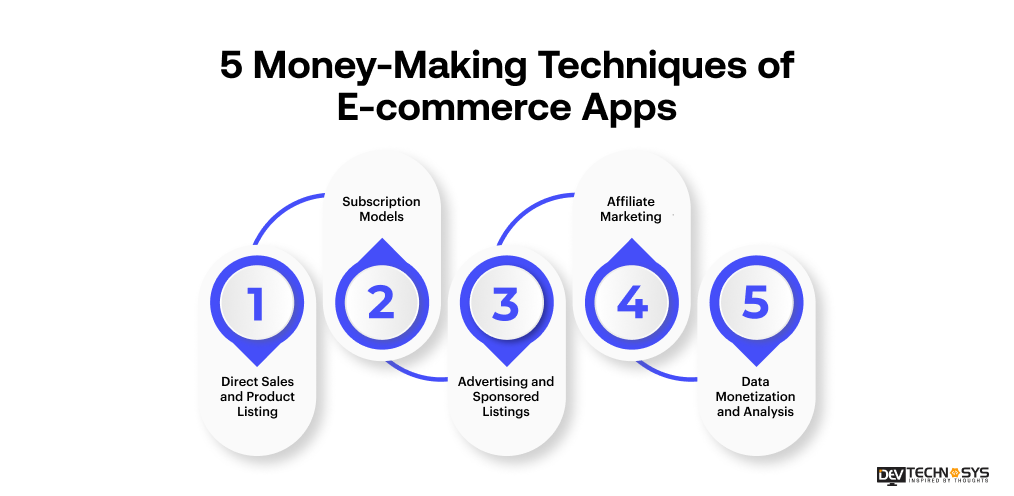
These techniques combined help e-commerce apps maximize profitability, improve user experience, and stay competitive in a rapidly evolving market.
1. Direct Sales and Product Listing
The major revenue source for any e-commerce app is the direct selling of goods. Apps create revenue by charging clients a broad range of prices for their products. Successful platforms optimize product selection, price, and promotions to boost sales volume and generate consistent income. They frequently use upselling and cross-selling tools to increase average order value.
2. Subscription Models
Many e-commerce applications provide membership services that include unique privileges like free delivery, early access to sales, and special discounts. These recurrent fees produce consistent income while promoting consumer loyalty. Subscription models also offer consistent financial flow, allowing firms to plan and expand more sustainably.
3. Advertising and Sponsored Listings
E-commerce applications generate revenue by letting merchants or brands to promote their items through sponsored adverts or prominent placements within the app. Sponsored listings increase exposure and clicks, resulting in a win-win situation: vendors make more money, while the platform collects advertising revenue. This strategy expands income beyond goods sales.
4. Affiliate Marketing
Some platforms make revenue by advertising third-party items via affiliate links. When users purchase things through these partner connections, the app earns a share of the sale. According to the Magento development company, this technique necessitates low inventory and operating expenses, allowing applications to make money by diversifying product offerings.
5. Data Monetization and Analysis
E-commerce applications capture large quantities of user data, such as purchasing habits and preferences. By anonymizing and analyzing this data, they may provide useful insights to companies and marketers for targeted marketing purposes. Selling these analytics services or giving data-driven advertising solutions generates more cash while improving ad effectiveness.

Conclusion
In 2025, building an e-commerce platform requires careful planning, from market research and feature selection to design, development, testing, and launch. Partnering with a skilled Android app development company in UAE ensures access to expert developers who understand local market needs and global trends.
Their expertise guarantees a secure, user-friendly, and scalable app that drives customer engagement and sales. Following a step-by-step approach helps businesses build competitive e-commerce solutions tailored for the modern digital marketplace.
Frequently Asked Questions
1. How Much Does it Cost to Develop an E-commerce App?
The cost to build an e-commerce app ranges from $8,000 to $25,000+, depending on the features, design complexity, platform choice, and the location of the development team, with additional expenses for maintenance and marketing.
2. How Long Does it Take to Create an E-commerce App?
To create an e-commerce app, it usually takes 3 to 6 months, depending on app complexity, features, design, and development team efficiency, with testing and revisions influencing the overall timeline.
3. Which Technology Stack Is Used to Make an E-commerce App?
There are many technologies used to make an e-commerce app:
- Java
- React Native
- PHP
- Python
- Flutter
4. How To Market An E-Commerce App After Launch?
Promote your e-commerce app using social media campaigns, influencer partnerships, SEO, targeted ads, email marketing, and push notifications to boost downloads and customer engagement.
5. What Essential Features Should An E-Commerce App Have?
An e-commerce app should include user-friendly navigation, secure payment gateways, product search and filters, real-time order tracking, customer reviews, wishlist, push notifications, and seamless checkout for an optimal shopping experience.