




 Tarun Nagar
 Education apps generate revenue through multiple models such as subscriptions, freemium access, in-app purchases, institutional licensing, and advertising, depending on the target audience and platform strategy. Overall, the education app development cost in 2026 can range from $8,000 to $30,000+, depending on feature complexity, platform choice, and scalability needs.
Cost breakdown based on complexity:
-
- Basic MVP ($8,000–$15,000): Online education app development pricing includes considering features like user login, basic lessons, quizzes, and simple UI with minimal backend.
- Standard App ($15,000–$22,000): Adds LMS features, natural language processing (NLP), live classes, progress tracking, notifications, and better UX.
- Advanced App ($22,000–$30,000+): The cost to build an education app is influenced by AI learning, gamification, auto software testing tools, analytics, Cloud computing (AWS, Firebase), and scalable architecture.
Cost Based on Countries
-
- USA & Canada: $60 to $120/hour
- Western Europe: $45 to $90/hour
- Eastern Europe: $30 to $70/hour
- UI/UX Design: Custom designs with animations and interactive elements raise the overall
- India & Southeast Asia: $15 to $30/hour
Development Timeline
-
- MVP Education App: 2 to 4+ months
- Mid-Level Learning Platform: 4 to 8+ months
- Advanced EdTech Ecosystem: 8 to 12+ months or more
Additional Costs
-
- Maintenance & Upgrades: Approximately 15% to 25% of the initial education app development cost annually for bug fixes, feature updates, and performance optimization.
- Marketing & User Acquisition: Continuous investment required for digital campaigns, influencer partnerships, and student acquisition strategies in a competitive EdTech market.
Building an education app in 2026 is no longer just about digitizing textbooks; it’s about creating an interactive learning ecosystem that connects students, teachers, and institutions in real time. From AI-powered tutoring systems and live video classes to gamified learning modules and personalized dashboards, education apps have transformed how knowledge is delivered and consumed.
However, the cost of developing such an app can vary significantly depending on features, platform choice, technology stack, and scalability requirements. Understanding the cost structure is essential for startups, educators, and businesses planning to enter the rapidly growing digital education market. Read the blog till the end to discover the cost to build an education app with detailed breakdowns, key features, hidden development expenses, and expert insights to help you plan your education app effectively.
How Much Does it Cost to Build an Education App?
The cost of building an education app in 2026 varies widely based on features, complexity, and scalability. On average, the cost to create an education app with basic features like login, lessons, and quizzes can cost between $8,000 and $15,000+. A mid-level app with live classes, LMS integration, and analytics may range from $15,000 to $22,000. But if you build an advanced platform with AI-based learning, gamification, and real-time systems, it can exceed the mobile app development cost to $30,000+.
Industry Insights: According to Market Reports World, the global education apps market reached $57.9 billion in 2025 and is projected to exceed $203 billion by 2034, growing at a CAGR of ~15%.
| App Complexity Level | Estimated Cost (USD) | Timeline |
| Basic / MVP App | $8,000 – $15,000 | 2–3 months |
| Standard App | $15,000 – $22,000 | 3–6 months |
| Advanced App | $22,000 – $30,000+ | 6–9+ months |
What are the Factors Affecting the Education App Development Cost?
The cost to develop an education app depends on several technical and business factors that influence its complexity and scalability. From features and platform selection to integrations and maintenance, each element plays a key role in determining the overall cost of building an edtech app.
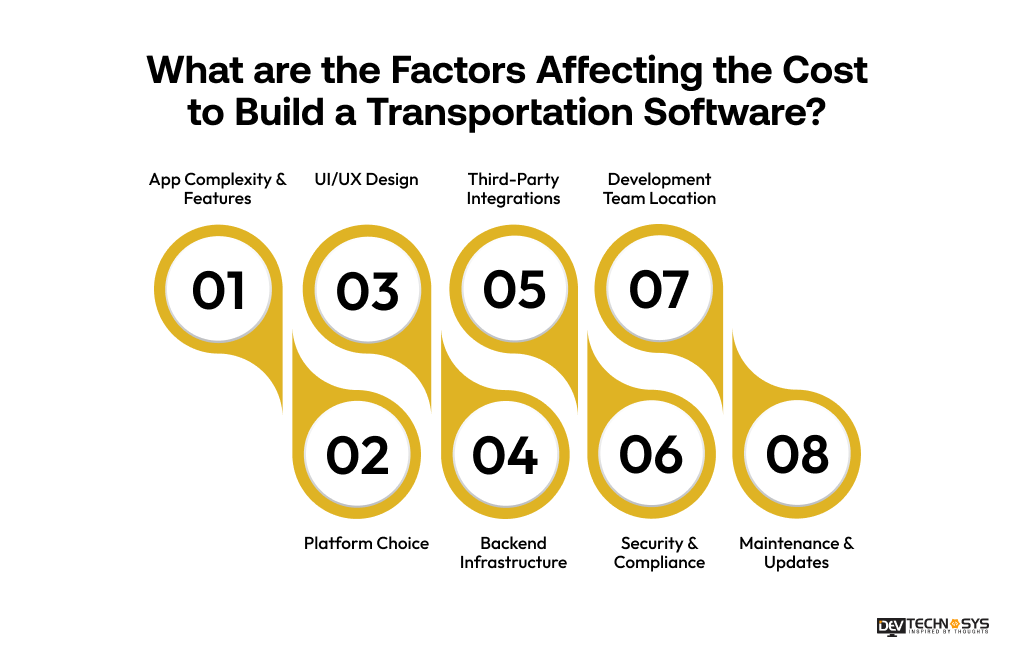
1. App Complexity & Features:
The complexity of features plays a major role in determining the cost to build a kids’ learning app like Lamsa. Basic apps with video lessons and quizzes are more affordable, while advanced features like live classes, AI-based personalization, gamification, and progress tracking require more development time, skilled resources, and significantly increase the cost to develop an education app.
| Level | Features | Estimated Cost |
| Basic | Video lessons, quizzes, and a simple dashboard | $3,000 – $7,000 |
| Standard | Live classes, progress tracking, notifications | $6,000 – $8,000+ |
| Advanced | AI learning, gamification, analytics | $8,000 – 10,000+ |
2. Platform Choice:
Choosing between iOS, Android, or both platforms directly impacts the cost. Native development for each platform increases expenses, while cross-platform frameworks like Flutter or React Native can reduce the cost to build an education app. However, performance requirements, scalability, and user reach also influence the final platform-related investment.
| Platform Type | Description | Estimated Cost |
| Single Platform | iOS or Android | $8,000 – $15,000 |
| Cross-Platform | Flutter / React Native | $12,000 – $22,000 |
| Native (Both) | Separate iOS + Android apps | $20,000 – $30,000+ |
3. UI/UX Design:
A well-designed user interface in an app like Blackboard enhances engagement and learning experience, but adds to development costs. Custom designs, animations, and intuitive navigation require extensive research, wireframing, and testing. High-quality UI/UX is crucial in EdTech apps to ensure better retention and improved user satisfaction. Here’s the table displaying the UI/UX design cost for education apps based on the level of customization.
| Level | Design Scope | Estimated Cost |
| Basic | Simple UI, templates | $2,000 – $5,000 |
| Custom | Interactive design, user flows | $5,000 – $10,000 |
| Advanced | Animations, premium UX, prototyping | $10,000 – $15,000+ |
4. Backend Infrastructure:
Backend infrastructure supports data storage, user management, and real-time functionalities like live classes and progress tracking. Your ios app development company will build the scalable backend with cloud services, API Integration, and databases, which increases complexity and cost. Apps with large user bases require robust systems, further raising the cost to develop an education app.
| Level | Infrastructure | Estimated Cost |
| Basic | Simple database, limited users | $5,000 – $8,000 |
| Standard | APIs, cloud hosting, and user management | $8,000 – $12,000 |
| Advanced | Scalable cloud, Microservices Architecture, real-time systems | $12,000 – $16,000+ |
5. Third-Party Integrations:
Integrating third-party tools like payment gateways, video conferencing APIs, analytics tools, and cloud storage enhances functionality but increases payment gateway integration cost. Each integration requires development, testing, and maintenance. Additionally, some services have subscription or usage-based pricing, contributing to long-term operational expenses.
| Integration Level | Tools Included | Estimated Cost |
| Basic | Payment gateway, email/SMS | $2,000 – $5,000 |
| Standard | Video APIs, analytics tools | $5,000 – $10,000 |
| Advanced | AI tools, advanced analytics, multiple APIs | $10,000 – $15,000+ |
6. Security & Compliance:
Ensuring data security and compliance with regulations is critical to build an education app like ABC World that handles user data. Implementing encryption, secure authentication, and compliance standards like GDPR increases development effort. These security measures protect sensitive information but also add to the overall eLearning app development cost.
| Level | Security Features | Estimated Cost |
| Basic | SSL, basic authentication | $2,000 – $5,000 |
| Standard | Encryption, secure login | $5,000 – $10,000 |
| Advanced | GDPR, multi-layer security, compliance | $10,000 – $15,000+ |

7. Development Team Location:
The cost of hiring developers varies by region. Teams in the US and Western Europe typically charge higher hourly rates, while developers in India or Southeast Asia are more cost-effective. Choosing the right location helps balance budget, quality, and expertise for the project.
| Region | Hourly Rate | Estimated Cost Impact |
| USA & Canada | $60 – $120/hr | High |
| Western Europe | $45 – $90/hr | Medium-High |
| Eastern Europe | $30 – $70/hr | Medium |
| India & Southeast Asia | $15 – $30/hr | Cost-effective |
8. Maintenance & Updates:
Post-launch maintenance includes bug fixes, performance improvements, and feature updates. Typically costing 15% to 25% of the initial Android app development cost annually, maintenance ensures the app remains functional, secure, and competitive. Regular updates are essential to meet evolving user needs and technological advancements.
| Type | Services Included | Estimated Cost |
| Basic | Bug fixes, minor updates | 15% annually |
| Standard | Performance optimization, updates | 20% annually |
| Advanced | Continuous upgrades, scaling | 25% annually |
Why Should Businesses Invest in Education App Development?
Investing in education app development services offers businesses a powerful opportunity to tap into the rapidly growing digital learning market. With increasing demand for online education, mobile apps enable scalable learning solutions, global reach, and 24/7 accessibility for users.
They also provide multiple revenue streams, including subscriptions, in-app purchases, and institutional partnerships. Advanced features like AI-driven personalization, gamification, and real-time analytics enhance user engagement and retention.
Additionally, education apps help brands build authority in the EdTech space while reducing the education app development cost in UAE to build an education app compared to traditional learning models, making them a smart long-term investment.
Why Budgeting is Essential for Education App Development Projects?
Budgeting plays a crucial role in the success of any education app development project. It ensures efficient resource allocation while keeping the project aligned with business goals and timelines. A well-planned budget also helps avoid unexpected expenses and supports long-term scalability. Here are sme of the major benefits of budgeting in education apps:
- Helps define a clear project scope and feature priorities.
- Prevents overspending and manages financial risks.
- Ensures timely development and smooth execution.
- Allocates resources efficiently across design, development, and testing.
- Enables better decisions regarding technology and tools.
- Plans for maintenance, updates, and scalability.
- Supports long-term growth and performance optimization.
- Ensures quality delivery within the defined budget.
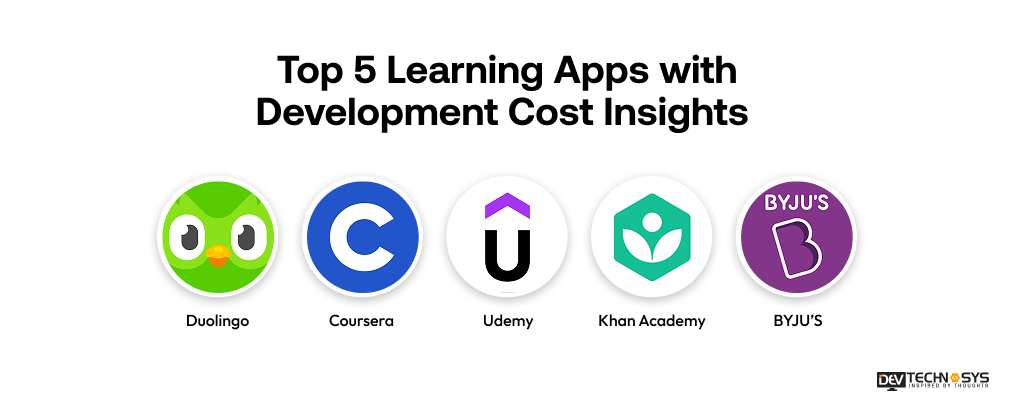
Top 5 Learning Apps with Development Cost Insights
Learning apps have transformed digital education by offering interactive, accessible, and personalized learning experiences. Understanding their development cost provides valuable insights into the features, technology, and investment required to build a similar scalable and engaging education app development solution.
1. Duolingo
Duolingo is a popular language learning app known for its gamified approach and interactive lessons. A similar app includes quizzes, levels, and progress tracking. Building a basic version with essential gamification features and scalable design falls within a moderate development budget. Here’s the table showcasing the cost to build the best Duolingo alternatives based on complexity level.
Industry Insights: Business of Apps States that Education apps generated over $6 billion in revenue in 2024, with strong adoption driven by online courses and skill-based learning platforms.
| Level | Features | Estimated Cost |
| Basic | Lessons, quizzes, simple UI | $12,000 – $18,000 |
| Standard | Gamification, progress tracking, notifications | $18,000 – $25,000 |
| Advanced | Analytics, personalization, scalability | $25,000 – $30,000+ |
2. Coursera
Coursera offers structured courses, video lectures, and certification programs. A simplified version includes video streaming, course modules, and basic learning management features. Development focuses on content delivery and user experience while maintaining scalability for future growth. If you want to learn about the Coursera-like virtual learning app development cost, take a look at the table below:
| Level | Features | Estimated Cost |
| Basic | Video lessons, course modules | $15,000 – $20,000 |
| Standard | LMS features, certificates, and payments | $20,000 – $26,000 |
| Advanced | Multi-course system, analytics, integrations | $26,000 – $30,000+ |
3. Udemy
Udemy is a marketplace connecting instructors and learners with diverse courses. A similar app requires multi-user roles, course uploads, and payment integration. Even a basic version involves backend complexity due to content management and user interactions.
| Level | Features | Estimated Cost |
| Basic | Course upload, user dashboard | $18,000 – $22,000 |
| Standard | Multi-user roles, payments, reviews | $22,000 – $27,000 |
| Advanced | Marketplace system, analytics, scalability | $27,000 – $30,000+ |
4. Khan Academy
Khan Academy provides structured educational content with progress tracking and assessments. A comparable app includes dashboards, lessons, and quizzes. If you develop an app like Khan Academy, focus on simplicity, performance, and content organization while ensuring a smooth user experience and accessibility.
| Level | Features | Estimated Cost |
| Basic | Lessons, quizzes, tracking | $10,000 – $15,000 |
| Standard | Dashboards, progress analytics | $15,000 – $22,000 |
| Advanced | Personalization, scalable backend | $22,000 – $30,000+ |
5. BYJU’S
BYJU’S delivers interactive learning through video lessons and personalized experiences. A basic version includes video content, quizzes, and simple recommendations. Development costs generally range from $20,000 to $30,000+, depending on content richness, UI/UX quality, and the level of personalization. The mobile app maintenance cost for apps like BYJU’s will be around 12% to $20%
| Level | Features | Estimated Cost |
| Basic | Video lessons, quizzes | $20,000 – $24,000 |
| Standard | Interactive UI, tracking, notifications | $24,000 – $28,000 |
| Advanced | Personalization, analytics, scalability | $28,000 – $30,000+ |
What are the Types of Education Apps and Their Costs?
Education apps come in various types, each designed to meet different learning needs and user experiences. The development cost varies depending on the app type, feature complexity, and level of interactivity and scalability required.
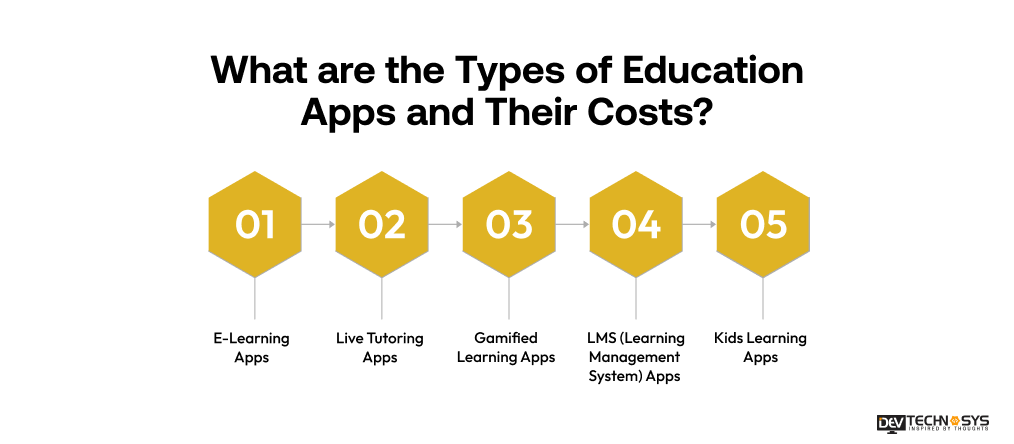
1. E-Learning Apps
E-learning apps provide structured courses, video lessons, quizzes, and certifications across various subjects. They focus on content delivery and user engagement with simple dashboards and progress tracking. To build an Arabic language learning app, you need to pay heed to the cat. The development cost depends on content volume and features included.
| Level | Features | Estimated Cost |
| Basic | Video lessons, quizzes, and a simple dashboard | $10,000 – $15,000 |
| Standard | Course modules, progress tracking, certificates | $15,000 – $22,000 |
| Advanced | Analytics, multi-course system, scalability | $22,000 – $30,000+ |
2. Live Tutoring Apps
According to a top mobile app development company, Live tutoring apps enable real-time interaction between students and teachers through video calls, chat, and screen sharing. These apps require strong backend infrastructure and streaming capabilities. Their development cost increases with real-time features and scalability requirements.
| Level | Features | Estimated Cost |
| Basic | Video calls, chat, and scheduling | $15,000 – $20,000 |
| Standard | Screen sharing, notifications, and payments | $20,000 – $26,000 |
| Advanced | Recording, analytics, scalable backend | $26,000 – $30,000+ |
3. Gamified Learning Apps
Gamified learning apps use elements like rewards, levels, leaderboards, and challenges to enhance user engagement. They require interactive UI/UX and game logic systems. Development cost lies between $12,000 to $ 30,000+ for a basic to advanced app. The pricing varies based on the level of interactivity and gamification features integrated.
| Level | Features | Estimated Cost |
| Basic | Quizzes, rewards, levels | $12,000 – $18,000 |
| Standard | Leaderboards, badges, progress tracking | $18,000 – $24,000 |
| Advanced | Game logic, analytics, and personalization | $24,000 – $30,000+ |
4. LMS (Learning Management System) Apps
Experts who provide custom Android app development services create LMS apps for institutions to manage courses, users, assessments, and performance tracking. They include admin dashboards and reporting tools. LMS app development cost depends on complex backend systems, which make them more expensive than basic education apps.
Industry Insights: According to Future Market Reports, the market is projected to grow at a 10–15% CAGR due to AI integration, gamification, and personalized learning technologies.
| Level | Features | Estimated Cost |
| Basic | Course management, user roles | $18,000 – $22,000 |
| Standard | Assessments, dashboards, reporting | $22,000 – $27,000 |
| Advanced | Automation, analytics, integrations | $27,000 – $30,000+ |
5. Kids Learning Apps
Kids’ learning apps focus on interactive visuals, animations, and simple educational content for early learners. Kids’ education app like Kidzapp requires engaging UI/UX design and child-friendly features. The cost to build an education app is around $8,000 to $20,000+. Final costs depend on animation quality, content type, and the level of interactivity included.
| Level | Features | Estimated Cost |
| Basic | Simple lessons, visuals, audio | $8,000 – $12,000 |
| Standard | Animations, quizzes, interactive UI | $12,000 – $18,000 |
| Advanced | Gamification, personalization, and content scaling | $18,000 – $25,000+ |

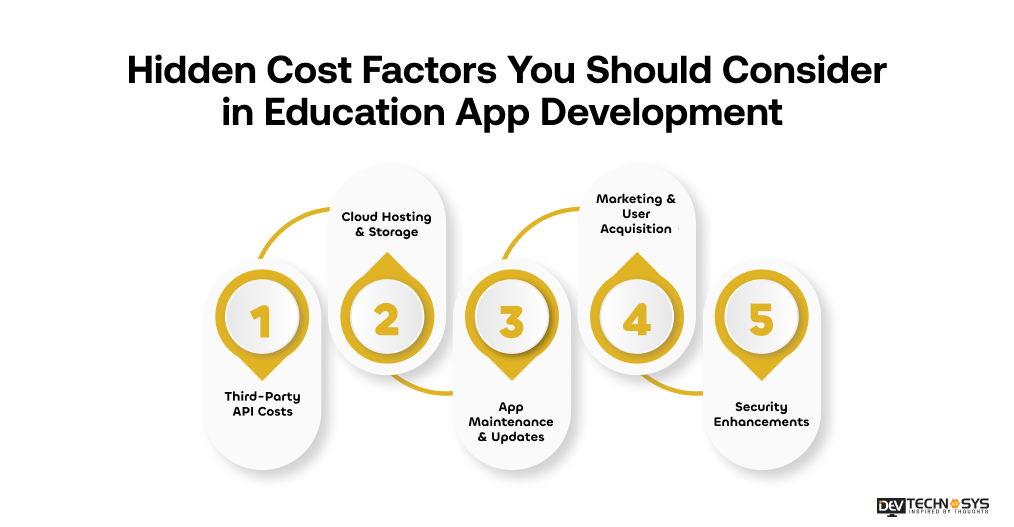
Hidden Cost Factors You Should Consider in Education App Development
Hidden costs in education app development can significantly impact your overall budget if not planned in advance. Beyond initial development, factors like integrations, maintenance, and scalability add ongoing expenses that are essential for long-term success.
1. Third-Party API Costs
Integrating third-party services such as video streaming, payment gateways, analytics tools, and cloud APIs adds recurring expenses. Many of these services operate on subscription or usage-based pricing, which can significantly increase long-term operational costs beyond the initial development budget.
2. Cloud Hosting & Storage
Education apps require reliable cloud hosting to manage user data, video content, and real-time interactions. As user traffic and content grow, storage and bandwidth costs increase, making cloud infrastructure a continuous and scalable expense that must be planned carefully.
3. App Maintenance & Updates
Post-launch maintenance includes fixing bugs, updating features, and ensuring compatibility with new operating systems. These ongoing services typically cost around 15% to 25% of the initial development annually and are essential to keep the app functional, secure, and competitive.
4. Marketing & User Acquisition
Experts who provide hybrid app development services state that launching an education app requires investment in marketing strategies. It may include paid ads, influencer collaborations, and SEO campaigns. These ongoing efforts are necessary to attract and retain users, making marketing a high hidden cost that impacts overall project success.
5. Security Enhancements
Implementing advanced security measures, such as data encryption, secure authentication, and regulatory compliance, increases development and maintenance costs. Regular security updates are essential to protect sensitive user data and maintain trust, especially on education platforms that handle personal information.
Complete Timeline for Education App Development
Building an education app involves multiple stages, each contributing to the project’s overall timeline and complexity. From initial research and design to development, testing, and deployment, every phase requires careful planning and execution. The overall time estimate for education app development will be:
- Basic App: 2 to 4 months
- Mid-Level App: 4 to 8 months
- Advanced App: 8 to 12+ months
The timeline and cost to build EdTech app largely depend on the app’s features, scalability requirements, and level of customization, with more advanced platforms taking longer to develop and launch.
| Phase | Key Activities | Estimated Duration |
| Research & Planning | Market research, feature planning, user analysis | 1–2 weeks |
| UI/UX Design | Wireframes, prototypes, user interface design | 2–4 weeks |
| Development | Frontend & backend development, real-time database (Firebase) cost, integrations | 6–12 weeks |
| Testing & QA | Bug fixing, performance testing, optimization | 2–4 weeks |
| Deployment | App launch, store submission, final checks | 1–2 weeks |
| Maintenance | Updates, bug fixes, feature enhancements | Ongoing |
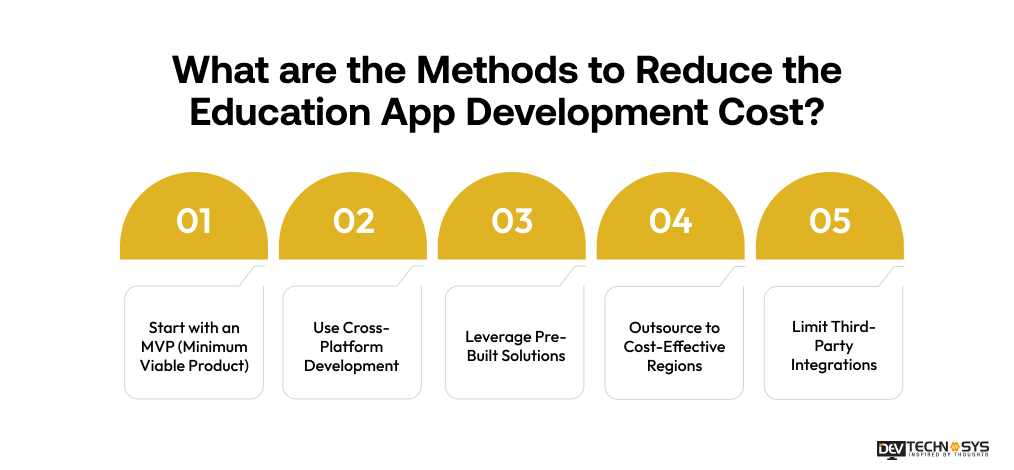
What are the Methods to Reduce the Education App Development Cost?
Reducing education app development costs requires strategic planning and smart decision-making throughout the creation process. By optimizing resources, prioritizing essential features, and leveraging cost-effective technologies, businesses can build scalable apps without exceeding their budget.
1. Start with an MVP (Minimum Viable Product)
Focusing on a minimum viable product allows you to build only essential features like user login, basic lessons, and quizzes. Experts at enterprise app development use this approach to reduce initial investment, speed up launch, and help validate your idea before investing in advanced functionalities and large-scale development.
2. Use Cross-Platform Development
Using cross-platform frameworks like Flutter or React Native helps build a single app for both iOS and Android platforms. This reduces development time, effort, and cost compared to native development while maintaining performance and scalability for most education app requirements.
3. Leverage Pre-Built Solutions
Utilizing ready-made templates, LMS platforms, and third-party tools minimizes the need to build features from scratch. This significantly reduces development time, lowers costs, and accelerates time-to-market while still allowing customization based on business needs and user requirements.
4. Outsource to Cost-Effective Regions
Hiring developers from regions like India or Southeast Asia helps reduce hourly mobile learning app development costs without compromising quality. Businesses can access skilled talent at lower rates, making it easier to manage budgets while maintaining efficient and high-quality app development processes.
5. Limit Third-Party Integrations
Reducing the number of third-party integrations helps control both development and ongoing operational costs. Including only essential APIs in the initial phase minimizes complexity, reduces maintenance requirements, and avoids additional subscription or usage-based expenses over time.

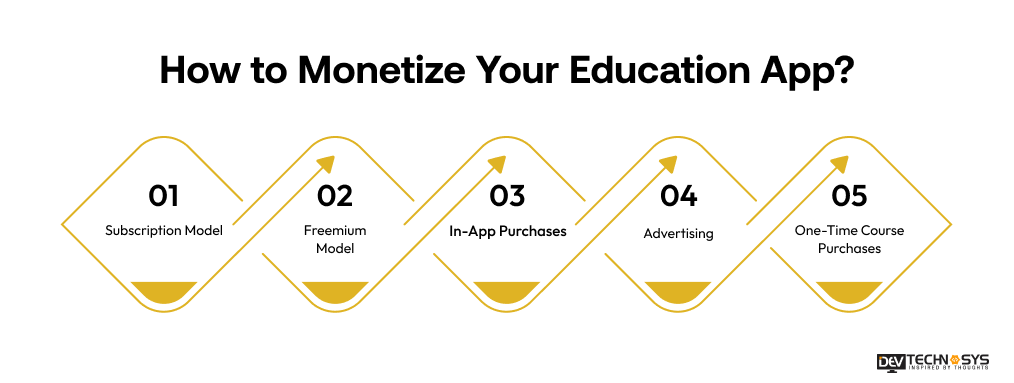
How to Monetize Your Education App?
Monetizing an education app involves choosing the right revenue strategies based on your target audience and content model. From subscriptions and in-app purchases to ads and partnerships, selecting the right approach ensures sustainable growth and long-term profitability.
1. Subscription Model
The subscription model allows users to pay monthly or annually for access to premium content, courses, or features. It ensures a steady and predictable revenue stream while encouraging long-term user engagement. This model works well for apps offering continuous learning and regularly updated educational content.
2. Freemium Model
An enterprise mobile app development company use freemium models to provide basic features and content for free while charging users for advanced functionalities, premium courses, or exclusive materials. This approach helps attract a large user base and gradually converts free users into paying customers through value-driven upgrades.
3. In-App Purchases
In-app purchases enable users to buy additional learning materials such as courses, quizzes, eBooks, or certifications within the app. It provides users with the flexibility to pay only for what they need while generating incremental revenue for the platform.
4. Advertising
Advertising allows apps to generate revenue by displaying ads to users. This model is effective for apps with a large user base. However, it should be implemented carefully to avoid disrupting the learning experience and negatively impacting user engagement.
5. One-Time Course Purchases
Experts at the top ios mobile app development company create this model to let users pay a one-time fee to access specific courses or learning programs. It is ideal for specialized or high-value content where users prefer a single payment rather than an ongoing subscription, ensuring immediate revenue.
Conclusion
The cost to build an education app in 2026 typically ranges from $8,000 to $30,000+, depending on factors such as app complexity, features, platform choice, and scalability requirements. Basic apps with limited functionality are more affordable, while advanced platforms with AI, live classes, and analytics require higher investment.
To optimize costs, businesses should start with an MVP, prioritize essential features, and choose the right development approach. If you need professional advice or assistance in deciding the budget for your next ed-tech app, contact Dev Technosys, a leading education app development company. With 15+ years of experience and the expertise of 150+ skilled developers, we create high-end education apps that ensure long-term growth.
FAQs
Q1. What Are The Key Features Of An Education App?
Key features include user registration, course management, video lessons, quizzes, progress tracking, notifications, and payment integration. Advanced apps may also include AI-based personalization, gamification, and live classes for better engagement.
Q2. Which Platform Is Best For Education App Development?
The best platform depends on your audience and budget. Cross-platform development is cost-effective and faster, while native apps offer better performance. Many businesses start with cross-platform solutions to reach a wider audience efficiently.
Q3. How Can I Reduce Education App Development Costs?
You can reduce costs by starting with an MVP, prioritizing essential features, using cross-platform frameworks, outsourcing development, and limiting integrations. Proper planning and scalable solutions also help manage expenses effectively over time.
Q4. Is It Better To Build an MVP First?
Yes, starting with an MVP helps reduce initial investment and allows businesses to test their idea with real users. It enables faster launch, collects feedback, and minimizes risk before investing in advanced features and full-scale development.
Q5. Can I Update My Education App After Launch?
Yes, education apps can be continuously updated after launch. Updates include adding new features, improving performance, fixing bugs, and enhancing user experience. Regular updates are essential to stay competitive and meet evolving user expectations.
Q6. What Technologies Are Used To Build Education Apps?
Education apps are built using technologies like Flutter, React Native, Swift, Kotlin, Node.js, and cloud platforms such as AWS or Firebase. The tech stack depends on app requirements, scalability, and performance goals.
Q7. What is AI in EdTech?
Artificial Intelligence (AI) in EdTech refers to the use of artificial intelligence technologies to enhance learning experiences through automation, personalization, and data-driven insights. It helps deliver customized content, automate administrative tasks, and improve overall educational outcomes.