





In order to combat food waste, the Too Good To Go app links customers with excess food from eateries and retailers at discounted pricing. There are several expenses and necessary features involved in creating an app of this kind.
User registration, location-based services, secure payment processing, real-time inventory updates, and user reviews are some of the main features. User engagement is further improved with an easy-to-use interface and notifications about local bargains.
A number of variables, including design complexity, platform preference (iOS, Android, or both), and extra features like analytics and customer support, can have a substantial impact on the development cost. Developing a successful app that benefits businesses and customers alike while also promoting sustainability requires an understanding of these factors.
Key Takeaways:
- The cost of Too Good To Go mobile app development ranges from $8,000 to $25,000 or more, depending on the factors like complexity of the app, the platform, design, and more.
- Too Good To Go app development expenses are directly impacted by the variety and intricacy of features, design level, platform type, tech-stack, and more.
- The goal of the Too Good To Go app is to minimize food waste by connecting users with local businesses offering surplus food at reduced prices.
- According to WiseGuyReports: The Food Waste App Market Industry is expected to grow from 28.97(USD Billion) in 2024 to 172.4 (USD Billion) by 2032.
What is Too Good To Go App?
The Too Good To Go app aims to reduce food waste by matching users with eateries, coffee shops, and supermarkets that have extra food. In addition to perusing local businesses, users can buy “surprise bags” of unsold food at discounted prices and retrieve them at prearranged times.
This enables companies to cut waste and recoup expenses while helping customers save money. To create an app like Too Good To Go, then reach out to the Android app development company for reliable or sufficient mobile apps.
Food Waste App Market Overview
- The Food Waste App Market industry is expected to expand from 33.6 Billion in 2025 to $ 182.4 Billion in 2034, with a compound annual growth rate of 25.85%
- Regionally, North America leads the market, propelled by advanced technology adoption and strong regulatory frameworks promoting waste reduction
- In 2024, the Food Waste Management Apps Market was characterized by significant segmentation, with the residential sector commanding a 45% market share.
Why Businesses Should Invest in Development of Too Good To Go Like App?
Here are the reasons why investing in too good to go app development is beneficial for businesses:
-
Tackling Food Waste Efficiently
These apps help bridge the gap between surplus food and consumers, allowing businesses to reduce waste and contribute to sustainability goals.
-
New Revenue Channel
Extra food can bring your income instead of getting wasted. It creates an additional source of income without increasing operational costs.
-
Positive Brand Image
Supporting food rescue and sustainability enhances brand reputation and aligns your business with global eco-conscious trends.
-
Growing Consumer Demand
More consumers now prefer eco-friendly, budget-friendly services. Meeting this demand can boost engagement and retention.
-
Support from Local Governments & NGOs
Initiatives that curb food waste often get support or partnerships from local authorities and non-profits, offering visibility and collaboration opportunities.
-
Data-Driven Business Optimization
Real-time analytics on unsold inventory and user preferences help businesses manage stock better and reduce future surplus.
-
Scalable Business Model
A Too Good To Go-like app is easily scalable, from local food businesses to global franchise chains, creating long-term growth potential.
Real-World Use Cases of Food Waste Management Apps
Here are the two successful real world examples of food waste management applications:
-
Too Good To Go
Too Good To Go, founded in 2015 in Denmark, is a food waste management app that connects users with local restaurants, bakeries, and supermarkets offering extra food at heavily discounted prices.
What began as a small local initiative has grown into a global movement with:
- 75M+ users
- 150K+ partner businesses
- 250M+ meals saved
- Operations in 17+ countries
The app’s success stems from its “Surprise Bag” model, eco-conscious mission, and simple user experience. It has won awards, secured major funding, and is now recognized as a leading solution in global food waste reduction.
-
Olio
Olio, founded in 2015 in the UK, is a food-sharing app that prioritizes redistributing surplus food within communities who are in need of food. The app allows individuals and local businesses to mention extra food items, which nearby users or communities can claim for free.
With a growing global presence, Olio has:
- 7M+ users
- 120M+ portions of food shared
- Coverage in 60+ countries
Its hyper-local model, sustainability mission, and community-driven approach have made Olio a key player in the fight against food waste worldwide.
Premium Features of Too Good To Go App
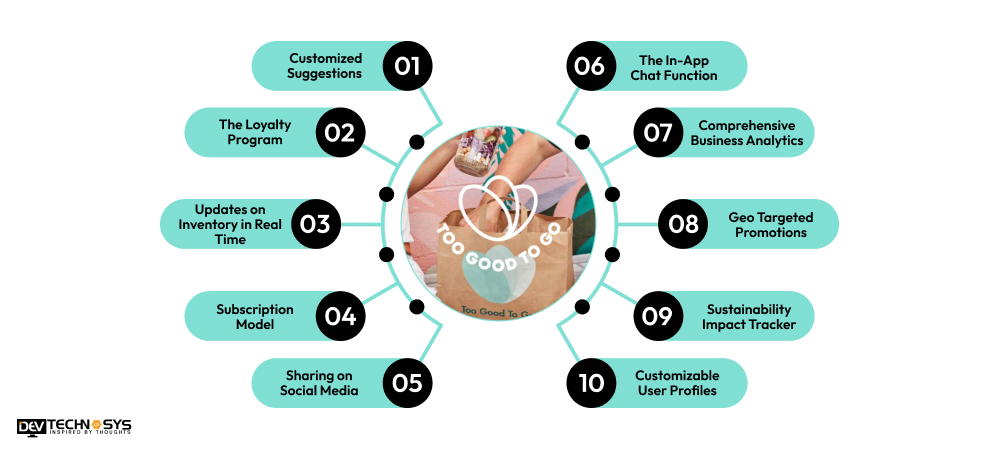
The Too Good To Go app can be improved with the following ten premium features, which will benefit both users and businesses:
- Customized Suggestions
- The Loyalty Program
- Updates on Inventory in Real Time
- Subscription Model
- Sharing on Social Media
- The In-App Chat Function
- Comprehensive Business Analytics
- Geo Targeted Promotions
- Sustainability Impact Tracker
- Customizable User Profiles
1. Customized Suggestions
Develop an app like Too Good To Go iOS can increase user engagement and use AI to make offer recommendations based on past purchases, preferred food varieties, and user preferences.
2. The Loyalty Program
Establish a rewards program in which customers receive points for each purchase they make, which may then be exchanged for special offers or discounts.
3. Updates on Inventory in Real Time
Give companies the option to instantly update their inventory, giving customers precise availability information and avoiding disappointment.
4. Subscription Model
For a monthly charge, provide people the opportunity to subscribe and obtain exclusive offers or early access to surplus food deals.
5. Sharing on Social Media
Give users the option to post about their experiences and best offers on social media. Contact a hybrid app development company to integrate this feature into your app.
6. The In-App Chat Function
Too Good To Go food wasting app improves customer service by facilitating user-business communication around product questions or pickup schedules.
7. Comprehensive Business Analytics
To maximize their offers, give business partners statistics on user engagement, inventory turnover, and sales performance.
8. Geo Targeted Promotions
Too Good To Go app for food wasting allows businesses to perform geo-targeted promotions that exploit users’ location to draw in nearby consumers with time-sensitive offers.
9. Sustainability Impact Tracker
The too good to go food waste shows the quantity of food saved and the environmental impact while tracking users’ too good to go locations, it can decreasing food waste.
10. Customizable User Profiles
The too good to go business model give customers the option to add dietary restrictions and preferences to their profiles, guaranteeing that they receive offers and suggestions that are pertinent to them.
Top 5 Food Waste Management Apps To consider in 2025
Here are the top 5 food waste management apps that people can consider:
App Name |
Launch Year |
Play Store Rating |
Platforms |
| Olio | 2015 | 3.9 ★ (45K+ reviews) | Android, iOS |
| Flashfood | 2016 | 4.3 ★ (23K+ reviews) | Android, iOS |
| ResQ Club | ~2016 | 4.6 ★ (est.) | Android |
| Foodsi | 2019 | Not Listed | Android, iOS |
| Karma | 2018 | Not Listed | Android, iOS |
The Cost of Too Good To Go App Development
The Too Good To Go mobile app development cost ranges from $8,000 to $25,000 or more, depending on the specifics. The complexity of the app, the platform (iOS, Android, or both), design specifications, and the incorporation of cutting-edge features like real-time inventory updates and payment processing are important determinants of cost. After debut, continuing upkeep, updates, and marketing initiatives could result in additional costs.
Cost to Develop An App Like Too Good To Go
Too Good To Go App Development |
Estimated Cost |
Time Frame |
| Simple App Development | $8000 – $14000 |
2 to 5 Months |
|
Mid-Complex App Development |
$14000 – $22000 | 5 to 8 Months |
| High-Complex App Development | $25000+ |
9+ Months |
The cost to maintain an app like Too Good To Go is around 15% to 20% of the overall development cost. This mainly depends on the various resources, such as software or hardware, SSL certificate, domain renewal, and more.
Major Factors That Can Affect Too Good To Go App Development Cost
The Too Good To Go app development cost depending on a number of important criteria. Comprehending these elements is crucial for efficient project management and budgeting. The following six key elements can have a big impact on how much it costs to design such an app:
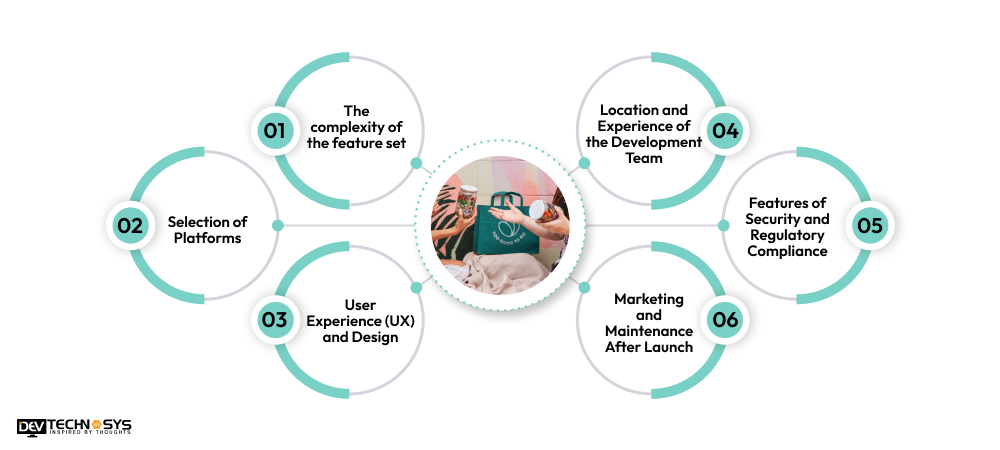
1. The complexity of the feature set
Too Good To Go app development expenses are directly impacted by the variety and intricacy of features. Moderate investment may be needed for basic features like user registration, location monitoring, and payment processing.
Feature Set Complexity |
Estimated Cost (USD) |
Development Timeline |
| Basic (Login, Listings, Maps, Orders) | $8,000 – $12,000 | 4 – 6 weeks |
| Medium (Push Notifications, In-app Chat, Reviews) | $12,000 – $18,000 | 6 – 8 weeks |
| Advanced (AI Suggestions, Real-time Inventory Sync, Custom CMS) | $18,000 – $25,000 | 8 – 12 weeks |
2. Selection of Platforms
Costs might be greatly impacted by selecting a cross-platform solution or native app development (iOS and Android separately). Although native apps usually provide better user experiences and performance, their mobile app development services takes more time and money because they require distinct codebases.
Platform Choice |
Estimated Cost (USD) |
Development Timeline |
| Android or iOS only | $8,000 – $10,000 | 3 – 4 weeks |
| Cross-platform (Flutter/React Native) | $10,000 – $15,000 | 4 – 6 weeks |
| Native (Android + iOS) | $14,000 – $20,000 | 6 – 8 weeks |
3. User Experience (UX) and Design
Retaining users requires spending money on a top-notch design and user experience. Compared to template-based choices, custom designs that cater to user needs and incorporate responsive layouts and accessibility features are typically more costly. Iterations and user testing may be part of the design process, which raises expenses.
Design Complexity |
Estimated Cost (USD) |
Development Timeline |
| Basic UI | $1,000 – $2,000 | 1 – 2 weeks |
| Custom UI with Animation | $2,000 – $4,000 | 2 – 3 weeks |
| High-End, Trendy UI/UX | $4,000 – $6,000 | 3 – 4 weeks |
4. Location and Experience of the Development Team
Costs can be greatly impacted by the location and level of experience of your development team. Outsourcing to locations with lower labor costs (like Eastern Europe or Southeast Asia) is usually less expensive than hiring local developers in high-cost regions (like North America or Western Europe).
So, these developers can increase the Too Good To Go or food delivery app development cost and it can highly impact on the various sources of development.
Development Team Region |
Estimated Cost (USD) |
Development Timeline |
| India, Eastern Europe (Outsourcing) | $8,000 – $15,000 | 4 – 6 weeks |
| Western Europe/USA (In-house) | $18,000 – $25,000 | 6 – 10 weeks |
5. Features of Security and Regulatory Compliance
It is essential to abide by laws pertaining to data security, food safety, and safe payment processing. Since establishing strong security features to safeguard user data is crucial to fostering trust, incorporating these compliance measures may increase development expenses.
Security Level |
Estimated Cost (USD) |
Development Timeline |
| Basic (SSL, Email Verification) | Included in base cost | –1 – 2 days |
| Advanced (GDPR, PCI-DSS, 2FA) | $1,000 – $2,500 | +1 – 2 weeks |
6. Marketing and Maintenance After Launch
It’s important to consider post-launch expenses, such as continuing marketing and maintenance. While marketing initiatives are essential for attracting and retaining users, routine maintenance guarantees the app’s continued functionality and security.
According to the full stack development company, the app’s long-term viability depends on setting aside money for these recurring expenses, which can vary greatly.
Post-Launch Services |
Estimated Cost (USD) |
Development Timeline |
| Basic Maintenance (Bug Fixes, Minor Updates) | $500 – $1,000/month | Ongoing |
| Marketing (App Store Optimization, Ads) | $1,000 – $3,000/month | Ongoing |
Factors to Reduce Too Good To Go App Development Cost
Here are some of the major food waste management app development cost affecting factors to consider:
-
Start with an MVP
Begin with a Minimum Viable Product that includes only essential features like geolocation, user registration, and food listings to validate your idea while saving development costs.
-
Use Cross-Platform Development
Leverage cross-platform frameworks such as Flutter or React Native to build one app for both Android and iOS, reducing time, resources, and overall app development expenses.
-
Outsource Development
Partner with offshore development teams in regions like India or Eastern Europe to access top tech talent at significantly lower hourly rates compared to Western countries.
-
Leverage Third-Party APIs
Integrate pre-built APIs for functions like maps, payment gateways, and user authentication instead of building everything from scratch, which cuts time and coding efforts.
-
Use Pre-Built UI/UX Components
Instead of designing every element from the ground up, customize existing UI/UX templates to accelerate design and reduce both front-end development time and costs.
-
Keep Admin Panel Simple
Build a lightweight admin dashboard with essential controls only. Add complex features later as needed, helping you launch faster without overspending on backend complexity.
-
Adopt Agile Development
Follow an agile development process with iterative releases, allowing you to prioritize critical updates and minimize rework, ultimately keeping the budget under control.
Tech Stack for Too Good To Go App Development
The tech stack for developing an app like Too Good To Go typically includes the following:
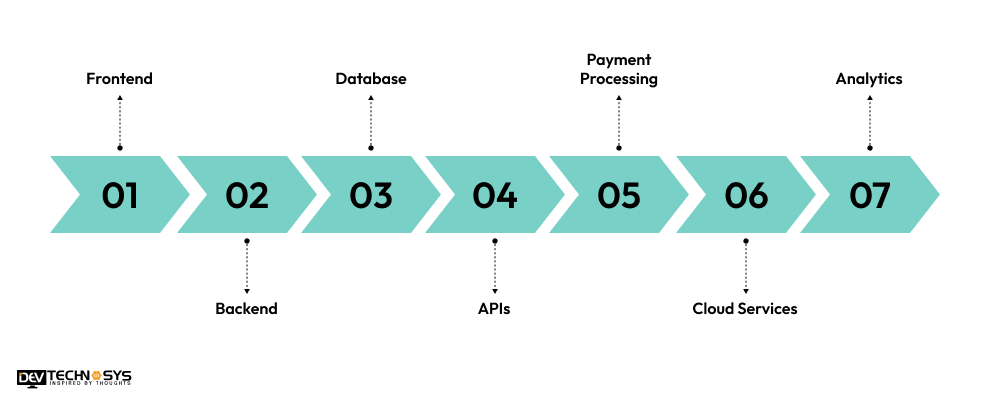
- Frontend: React Native (for cross-platform development), Swift (iOS), or Kotlin (Android) for native apps.
- Backend: Node.js or Django for server-side development.
- Database: PostgreSQL or MongoDB for data storage.
- APIs: RESTful or GraphQL for communication between frontend and backend.
- Payment Processing: Stripe or PayPal for secure transactions.
- Cloud Services: AWS or Google Cloud for hosting and scalability.
- Analytics: Google Analytics or Firebase for user insights and tracking.
Monetization Strategies For Apps Like Too Good To Go
There are several ways through which an app like Too Good To Go can generate income. Subscription models, transaction fees, freemium options, and strategic partnerships are some of them. Experts can implement these tactics, depending on the app’s unique features and user base, to maximize revenue while preserving user satisfaction.
-
Subscription Model
This monetization model provides users with premium access to features. It includes features such as extended reservation windows, personalized recommendations, and enhanced search filters. Subscription tiers ensure a steady income stream and foster brand loyalty through added value.
-
Transaction Fees & Commissions
This model entails charging a small fee on every transaction between users and food providers. It increases with usage and is transparent, securing the platform’s profits only after making the sale, aligning perfectly with business growth.
-
Partnerships & Sponsorships
For alliance with eco-friendly brands, delivery services, and grocery chains. Partners can promote their offerings within the app. In contrast, the app earns a commission or sponsorship fee for the exposure and engagement it generates.
-
Freemium Model
This model gains a wide user base attraction by offering core features absolutely free and securing advanced features and functions for premium users. It helps in balancing accessibility by adding premium value, turning interested users into paying customers over time.
-
Data Monetization (With Consent)
With user consent, aggregate and anonymize data to offer insights into consumer behavior. This information can be sold to research firms or used internally to improve targeting and optimize user experience.
-
In-App Advertising
Use carefully placed ads, such as banners or rewarded videos, which help with monetization without degrading the user experience. Rewarded ads, in particular, offer value to users while generating revenue for the platform.
-
Pay-Per-Download (Paid App)
Charging a one-time fee for the app is a strategy that might work if the offering is niche or provides a highly unique value proposition. Paid users tend to exhibit higher retention and engagement rates.
7 Key Steps of Too Good To Go App Development
A strategic approach is necessary during development to ensure that an app like Too Good To Go satisfies user needs and accomplishes its objective of decreasing food waste.
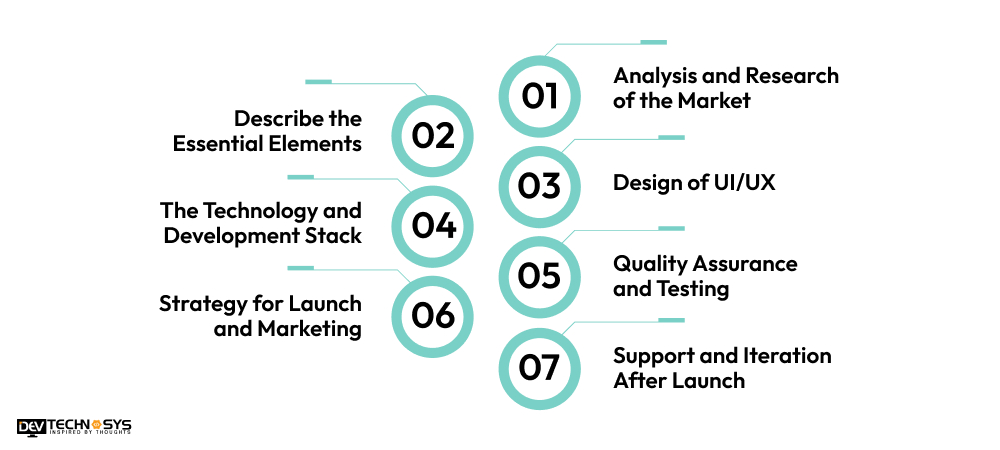
Here are seven crucial actions to develop an app like Too Good To Go:
- Analysis and Research of the Market
- Describe the Essential Elements
- Design of UI/UX
- The Technology and Development Stack
- Quality Assurance and Testing
- Strategy for Launch and Marketing
- Support and Iteration after Launch
1. Analysis and Research of the Market
To start, do out in-depth market research to determine the level of demand for food waste solutions. Hire dedicated developers to examine competitors, target audiences, and regional food waste and handling laws. The features and functionalities of your app will be shaped with the help of user choices and behavior data, guaranteeing that it successfully meets practical needs.
2. Describe the Essential Elements
Decide which features are most important for your app. Important features ought to consist of:
- User Registration: Businesses and users can sign up with ease.
- Location-Based Services: Customers can locate participating eateries and shops in their area.
- Inventory management: Companies can post pricing and descriptions of their available excess food.

3. Design of UI/UX
To make an app like Too Good To Go with an intuitive user interface that prioritizes accessibility and ease of use. Thanks to an intuitive design, users should be able to easily navigate, find deals, and make purchases. Before completing the design, consider wireframing and prototyping to visualize the user path and get input.
4. The Technology and Development Stack
Select the appropriate technology stack for your application. Hire mobile app developers to choose between creating a cross-platform solution or a native app for iOS and Android. Swift and Kotlin for native development or React Native for cross-platform apps are examples of common technologies.
5. Quality Assurance and Testing
To find and address bugs or usability concerns, do thorough testing. Make advantage of a variety of testing techniques, including performance, user acceptance, and functional testing. Before launching, get beta users’ input to improve features and the user experience as a whole.
6. Strategy for Launch and Marketing
Arrange a well-thought-out launch to generate interest in your app. To raise awareness, make use of social media, collaborations with nearby companies, and community involvement. To promote downloads and usage, think about providing incentives for first-time users, such discounts or loyalty points.
7. Support and Iteration After Launch
After the app launches, monitor user reviews and functionality. Continue to offer assistance to resolve technical problems and user questions. Hire Android app developers to update the app frequently in response to user input and new trends, incorporating new features or refining current ones to improve the user experience overall.
How Dev Technosys Will Help You?
In conclusion, a number of considerations, such as feature complexity, platform selection, design, and continuing maintenance expenses, must be carefully taken into account when creating an app like Too Good To Go.
A successful platform that successfully lowers food waste while offering value to users and companies can be created by stakeholders by carefully structuring the tech stack and giving priority to necessary functionality, guaranteeing long-term sustainability.
If you want to build an app like Too Good To Go, consult a mobile app development company to deliver robust mobile apps on a cost-saving budget.
Frequently Asked Questions
1. What is the estimated Cost of Too Good To Go App Development?
The cost to build an app like Danube Home depends on features, design complexity, and platform preference (native vs. cross-platform), the development cost can have a range of $8,000 to $25,000 or more.
2. What are the essential features to include in the app?
User registration, location-based services, secure payment processing, real-time inventory management, user reviews, and offer notifications are some of the main features.
3. How does the choice of platform affect Too Good To Go App Development Costs?
Cross-platform solutions allow for a single codebase, which typically lowers costs, whereas native apps (iOS and Android) require separate codebases, which raises costs.
4. What technologies are typically used in Too Good To Go App Development?
React Native for the front end, Node.js for the back end, PostgreSQL for databases, and payment systems like PayPal or Stripe are examples of common technology.
5. Are ongoing maintenance and marketing costs significant?
Indeed, post-launch marketing and maintenance are essential for retaining and engaging users. Long-term success requires budgeting for these recurring expenses.