





Just think, if you want to store anything like images, videos, and documents for a long time. But, you find it difficult because of lack of resources and suitable platforms. So, to make this task possible and easy, businesses have invested in digital asset management software development services.
This made accessibility of different private and public assets quick and comfortable for users. Additionally, it has also opened multiple doors for small and medium business investors. So, they can also create similar solutions.
In this blog, we will first understand about digital asset management free software. Then our focus will be on further topics like the development process, features, benefits, and cost. So, let us get started.
What is Digital Asset Management Software?
Digital Asset Management (DAM) software is a system that is used to store, organize, manage, and retrieve digital assets such as images, videos, documents, audio files, and other multimedia content. Additionally, it centralizes all digital content in one secure location, making it easier for teams to search, access, and share assets.
DAM software typically offers features like metadata tagging, version control, and access permissions to streamline workflows and enhance collaboration. So, it is commonly used by marketing teams, creatives, and organizations that need to manage large volumes of digital content.
The use of cryptocurrency exchange development services in DAM can improve efficiency, reduce the risk of asset loss. Additionally, it ensures consistent use of brand materials across different platforms.
Market Stats for Digital Asset Industry
- By 2025, the global market for digital assets is expected to bring in $46,320 Million.
- The market is expected to develop at a rate of 7% CAGR between 2025-2032, with a total projected value of $46,320 Million by 2025.
- It is anticipated that the Digital Assets industry will generate an average of $53.8 per user by 2025.
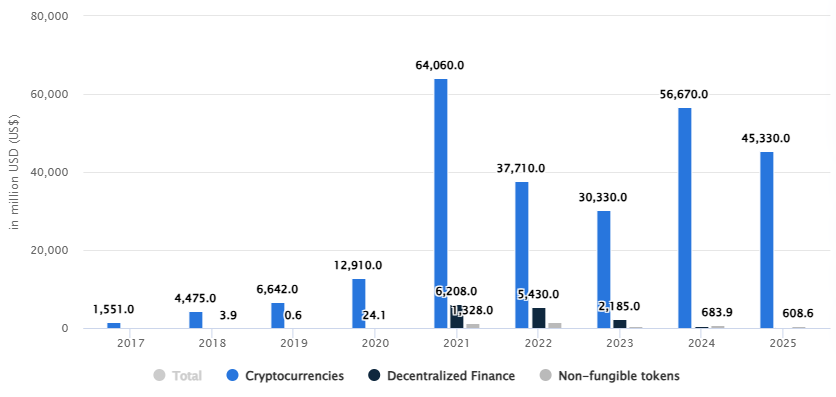
- With an estimated revenue of $9,610 Million in 2025, the USA dominates the market when compared to other countries.
- By 2025, there are expected to be 861 Million users in the digital assets sector.
- Additionally, it is anticipated that user penetration will reach 86% by 2025, up from 11.86% in 2024.
- As nations like China and the United States set the standard for incorporating blockchain technology into their financial systems, the acceptance of digital assets is growing quickly on a global scale.
Features of Digital Asset Management Software
IT Asset Management Software provides organizations with an efficient way to store, organize, and manage digital assets. By leveraging its core features, businesses can improve workflows, enhance collaboration, and maintain brand consistency across various platforms.
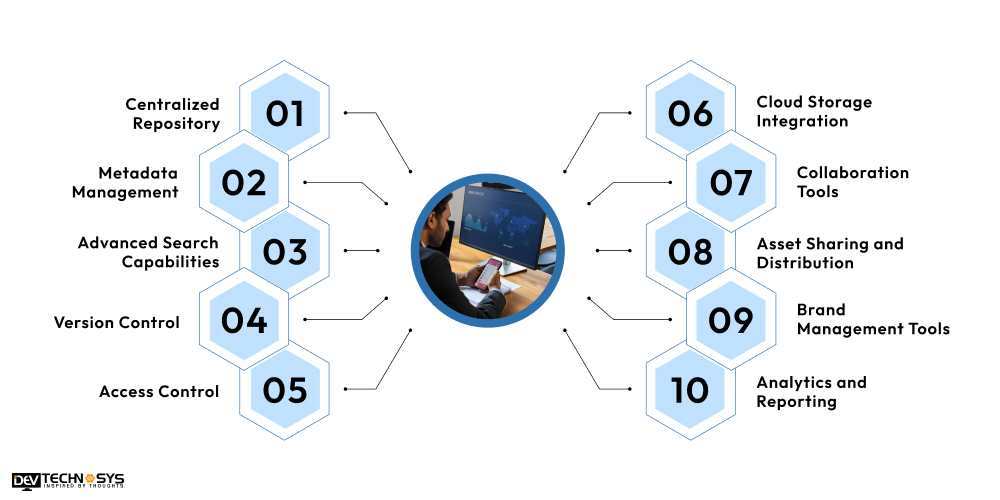
1. Centralized Repository
The best digital asset management software centralizes all digital assets in one location for easy access and organization. Additionally, this allows users to store, search, and retrieve files quickly, reducing the time spent managing scattered resources.
2. Metadata Management
Metadata management allows assets to be tagged with relevant keywords, descriptions, and attributes. So, using this feature in banking software development can enhance the searchability and organization of assets, ensuring teams can find what they need faster.
3. Advanced Search Capabilities
Digital asset management system software includes powerful search tools that allow users to filter assets by metadata, file type, or custom attributes. So, this feature ensures quick access to specific files even in large libraries.
4. Version Control
Digital assets management software allows version control to track updates made to assets, maintaining previous versions and ensuring consistency. So, this helps avoid confusion or accidental loss of important information or assets during the editing process.
5. Access Control
To set user roles and permissions in DAM software, you can hire a custom web development company in UAE who can view, edit, or download assets. Additionally, this feature ensures data security and access is granted based on team responsibilities.

6. Cloud Storage Integration
A free digital asset management software allows cloud storage integration to businesses for backup and access assets remotely. Additionally, this feature ensures that assets are stored securely and can be accessed from anywhere, enabling remote teams to collaborate effectively.
7. Collaboration Tools
Digital asset manager software often includes built-in tools for commenting, sharing, and collaborating on assets. So, teams can provide feedback, track changes, and discuss specific files, improving collaboration and workflow efficiency.
8. Asset Sharing and Distribution
With DAM software, digital assets can be easily shared across internal and external teams. For seamless distribution to clients and partners you must invest in software development solutions to streamlining collaboration and ensuring asset consistency.
9. Brand Management Tools
A web based digital asset management software includes features that help ensure brand consistency by providing access to the latest approved assets, logos, and templates. So, this reduces the risk of using outdated or incorrect materials in marketing and communications.
10. Analytics and Reporting
Analytics tools within software for Digital Asset Management track asset usage, popularity, and performance. Additionally, these insights help businesses understand how their assets are being utilized and make data-driven decisions to improve content strategies.
How to Build Digital Asset Management Software?
The development process involves a well-defined process to ensure the platform meets organizational needs. Each step from planning to post-launch support is critical to make Digital asset management software solutions.
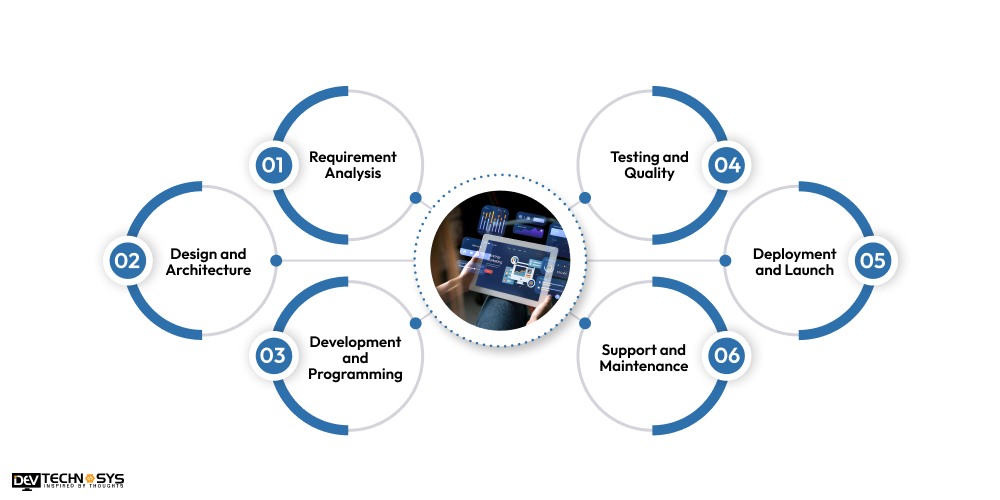
1. Requirement Analysis
The first step is to identify and understand the needs of users and stakeholders, including the types of assets to be managed and key features required. Additionally, engaging with potential users helps clarify functionality such as metadata tagging, access control, and collaboration tools. A cryptocurrency exchange development company can help you to form the foundation for design and fulfilling business goals.
- Role of car rental apps in real world.
- Best way to identify business requirements.
- Formation of budget and features list.
2. Design and Architecture
Once the requirements are clear, design the software’s architecture, focusing on scalability, security, and performance. Additionally, this stage includes deciding on the database structure, cloud infrastructure, and software components. A Digital asset management software development company ensures that software can handle future growth and changes efficiently. So, you should plan for integration with third-party tools and systems.
- Understand the importance of software designing.
- Identify best design for DAM software.
- Implement cost-effective designs in DAM software.
3. Development and Programming
In this phase, developers begin coding the DAM software based on the approved design. Additionally, this includes implementing front-end and back-end functionality, developing algorithms for asset search and retrieval, and ensuring secure access control.
Agile OTC crypto exchange development methods are commonly used to enable flexibility and rapid iterations during this phase.
- Preferred tools for developing DAM software.
- Observe implementation of Databases and APIs.
- Requirement of hiring a software development company.
4. Testing and Quality
Before launching the software, thorough testing is conducted to ensure everything works as expected. So, this includes functional testing, load testing, security assessments, and bug fixing. Additionally, testing ensures the system is stable, secure, and performs well under different scenarios. So, you should hire digital asset management software developers to conduct user acceptance testing (UAT) modules with varying data loads and user traffic.
- Find suitable software testing and security models.
- Ensure quality of DAM software through specialized tools.
- Hire software developers to complete this task.
5. Deployment and Launch
After successful testing, the DAM software is deployed to a live environment, whether cloud-based or on-premise. A well-executed launch ensures that users can transition smoothly, with minimal disruptions.
So, to monitor the system closely during this phase to address issues quickly, you should contact custom software companies in Abu Dhabi. Businesses must configure systems to provide training materials and documentation for users.
- Need for collaborating businesses and brand promoters.
- Processes involved in the launch process of DAM software.
- Outcomes and results of software launch.
6. Support and Maintenance
After launch, the software needs ongoing support and updates to address user feedback, fix bugs, and incorporate new features. Additionally, regular maintenance is critical to keeping the software secure and performing optimally.
So, it is beneficial to set up a support team for troubleshooting digital asset management software and release updates and patches for continuous improvement.
- Study about maintenance services to secure DAM software.
- Look for different methods to ensure a long life for DAM software.
- Find out the important thing required for software maintenance.
Various Types of Digital Asset Management Software
Digital Asset Management (DAM) software comes in various types, each catering to different organizational needs. These types range from simple solutions for small businesses to robust systems for large enterprises.
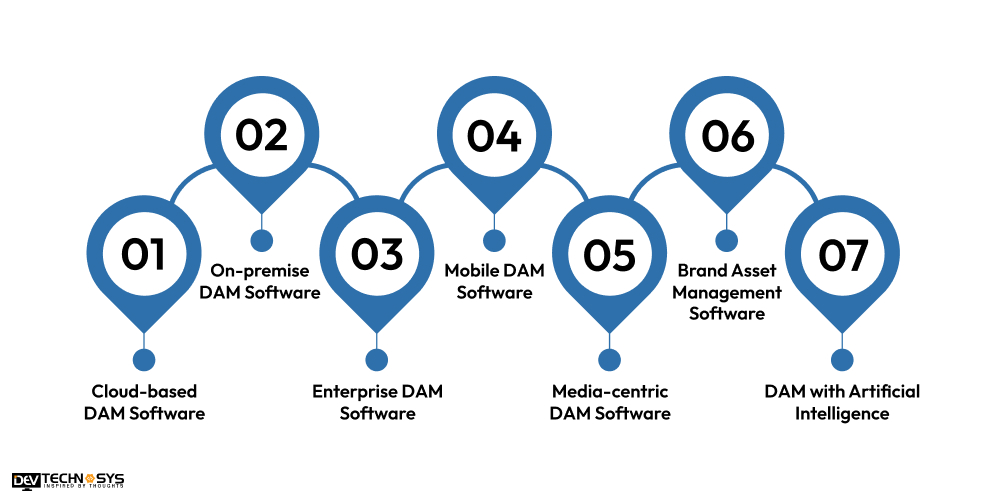
1. Cloud-based DAM Software
Cloud-based DAM stores assets in remote servers, allowing easy access from anywhere with an internet connection. So, using finance software development services in DAM provides scalability and cost-effective solutions for businesses with remote teams.
Features:
- Automatic cloud backups.
- Easy scalability for growing businesses.
2. On-premise DAM Software
On-premise DAM is installed and operated on a company’s own hardware, offering full control over security and data management. So, it is ideal for organizations that need strict data privacy and control.
Features:
- High level of data security.
- Customizable deployment based on infrastructure.
3. Enterprise DAM Software
Designed for large organizations, enterprise DAM offers advanced functionalities like integration with other enterprise tools and extensive user permissions. So, to support vast amounts of assets across global teams, you should contact a software development company in Dubai.
Features:
- Integration with enterprise systems like CRM and CMS.
- Advanced user access and workflow management.
4. Mobile DAM Software
Mobile DAM allows users to access, manage, and share assets directly from mobile devices. So, it is beneficial for field teams or professionals who need to work on-the-go.
Features:
- Mobile-specific interface for ease of use.
- Offline access for remote areas.
5. Media-centric DAM Software
Focused on managing multimedia content like videos and images, media-centric DAM is perfect for creative teams and media outlets. So, businesses should hire full stack developers to support large file sizes and complex metadata.
Features:
- High-quality media preview and editing tools.
- Seamless video and image conversion.
6. Brand Asset Management Software
Adobe digital asset management software is an example of this type because it is built to manage brand assets like logos, color palettes, and marketing materials. Additionally, it ensures consistent brand usage across all digital platforms.
Features:
- Brand guidelines repository.
- Real-time brand compliance tracking.
7. DAM with Artificial Intelligence
AI-powered DAM systems leverage machine learning to automatically tag, categorize, and organize digital assets. Additionally, this technology may help businesses in banking & finance website development to speed up the search and retrieval process.
Features:
- Automated tagging and metadata generation.
- Intelligent search with image recognition.
5 Major Benefits of Digital Asset Management Software Development
Developing Digital Asset Management (DAM) software can greatly streamline the organization and distribution of digital content across businesses. Its tailored solutions provide various advantages that enhance efficiency, security, and collaboration.
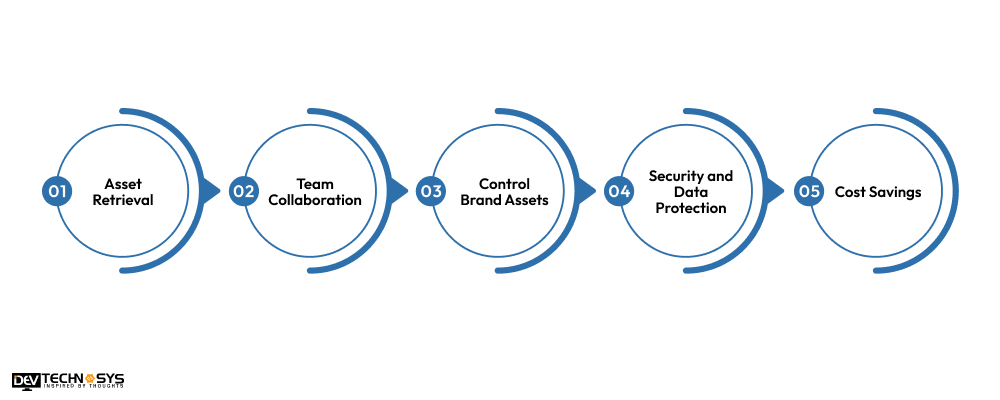
1. Asset Retrieval
DAM software enables quick and easy access to a centralized library of digital assets. With advanced search functions and metadata tagging, users can locate files instantly, reducing the time spent searching for assets. So, the use of full stack development services can boost productivity, allowing teams to focus on creative tasks instead of asset management.
2. Teams Collaboration
Businesses can create digital asset management software for small business that provide tools that facilitate real-time collaboration and feedback on digital assets. So, teams can work together on assets regardless of location, ensuring better communication and alignment. Additionally, this leads to more consistent results and faster project completion times.
3. Control Brand Assets
With DAM software, businesses can ensure that only approved, up-to-date assets are used across various channels. So, to restrict access to outdated materials and controlling asset distribution, you can approach a custom web development company in Dubai. Additionally, this also reduces the risk of errors and miscommunication in marketing materials.
4. Security and Data Protection
DAM software offers strong security features like access control, encryption, and regular backups, ensuring digital assets are protected. So, by managing user permissions and keeping sensitive files in a secure system, businesses can prevent unauthorized access or data breaches. Additionally, this level of security safeguards intellectual property and confidential assets.
5. Cost Savings and Resource Optimization
By centralizing digital assets, DAM software reduces the need for redundant storage and management processes. So, companies can avoid paying for multiple storage solutions or wasting resources on disorganized asset retrieval by using custom software development services in UAE. Additionally, the automation of asset management processes leads to overall operational cost reductions.
What is the Cost to Build Digital Asset Management Software?
The Digital asset management software development cost can vary significantly because of several factors. Additionally, these include the complexity of the software, hiring of custom software development companies, the chosen technical stack, and the platform used for development. So, understanding these factors is crucial for estimating development expenses accurately.
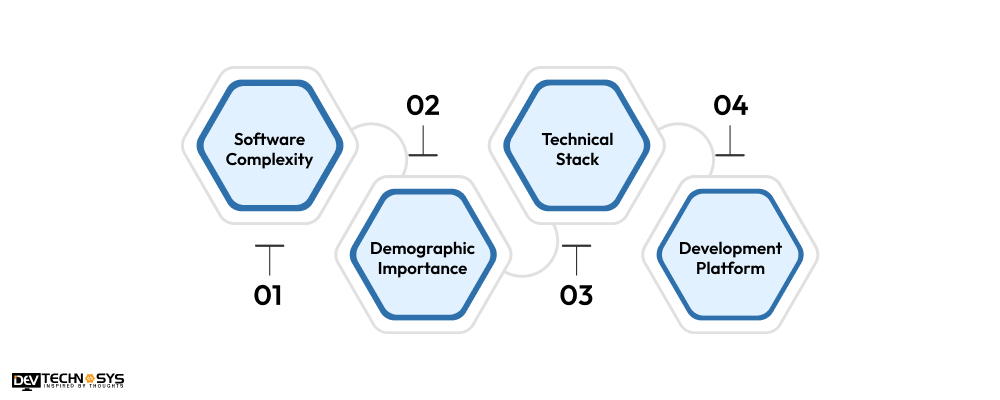
1. Software Complexity
The complexity determines the cost to build digital asset management software based on features and functionality. Additionally, more advanced features like AI integration, advanced search algorithms, or customization require more development time and resources.
|
Software Classification |
Development Time | Estimated Cost |
| Simple | 5-8 months |
$8000-$14000 |
|
Moderate |
8-12 months | $14000-$20000 |
| Complex | More than 12 months |
$20000-$25000 |

2. Demographic Importance
The process of hiring a custom software development company affects the cost to develop digital asset management software, as different industries or user groups require tailored solutions. Additionally, software for large enterprises will require more features and higher security, but simpler solutions for small businesses can be more affordable.
|
Location Factor |
Estimated Cost |
| USA |
$40,000-$50,000 |
|
Australia |
$25,000-$30,000 |
| Asia |
$8,000-$25,000 |
|
European Union |
$20,000-$40,000 |
| The Middle East |
$5,000-$20,000 |
|
Latin |
$10,000-$25,000 |
3. Technical Stack
The choice of technologies and tools used to build the DAM software plays a crucial role in determining the Digital asset management software cost in UAE. Additionally, premium or cutting-edge technologies may have higher licensing fees or require developers with specialized skills.
| Development Tools |
Technical Stack |
Estimated Cost |
| Frontend |
$10,000-$15,000 |
|
|
Backend |
$15,000-$20,000 | |
| Testing & Security |
$20,000+ |
|
| Development Technologies |
Technical Stack |
Estimated Cost |
| Artificial Intelligence |
$30,000-$40,000 |
|
|
Blockchain |
$35,000-$50,000 | |
| Cloud Computing |
$40,000-$45,000 |
|
|
Cyber Security |
$45,000-$50,000 |
4. Development Platform
Various platforms like web, desktop, or mobile on which the DAM platform is built affects the software development cost. So, building cross-platform solutions or integrating with multiple devices can increase development and maintenance expenses.
|
Development Platform |
Estimated Cost |
| iOS only |
$27,000 |
|
Android Only |
$23,000 |
| Web Platform |
$30,000 |
Let Us Summarize!!
There is not only a single domain involved in digital asset management software development but there are multiple. From banking to crypto, everything is related to this platform. Nowadays, each entity is considered as an asset based on the users’ needs and interests. So, the development of DAM software is a good choice for businesses because of its high applicability.
What a professional should require, everything is discussed in this blog. So, if your target is to get into the crypto business by accessing blockchain technology then studying a guide on hybrid crypto exchange development is beneficial.
So, once you have gone through everything, then there is no need to focus on other aspects which saves time and helps in business growth.
FAQs
1. What is Digital Asset Management Software?
DAM software is a centralized system used to organize, store, manage, and distribute digital assets like images, videos, documents, and other media. So, it helps businesses to maintain consistent access over media files to ensure security. Additionally, this software improves collaboration, workflow efficiency, and content organization.
2. What are the Key Features of a DAM Software?
Key features of DAM software include metadata management, advanced search capabilities, version control, user access permissions, and integration with other systems. Additionally, it allows businesses to efficiently manage and track assets, ensuring that users can easily retrieve and use them. Cloud storage support and collaboration tools are often included as well.
3. What is the Digital Asset Management Software Development Cost?
The cost of developing DAM software depends on various factors like functionality, complexity, and customization requirements. So, it can range from a few thousand dollars for basic software to hundreds of thousands for enterprise-level systems with advanced features. Additional costs include ongoing maintenance, cloud storage, and security features.
4. What Industries Benefit Most From DAM Software?
- Managing vast media libraries, video editing, and distribution.
- Organizing product images, marketing materials, and catalogs.
- Ensuring brand consistency and easy access to digital assets across teams.
5. How can DAM Software Improve Business Workflows?
- Reduces time spent searching for assets, enhancing team productivity.
- Prevents confusion by managing different versions of digital assets.
- Enables teams to work on assets in real-time, improving efficiency and consistency.
6. Can DAM Software Integrate With Other Tools?
- Seamless integration with content management and customer relationship systems.
- Syncs with cloud platforms like Google Drive, Dropbox, and Amazon S3.
- Works well with design tools like Adobe Creative Cloud for easy asset editing.