





Basic exchange with essential features: $8,000 – $15,000 Standard CEX or DEX: $15,000 – $25,000 Advanced/hybrid/custom exchange: $25,000 – $30,000+" } }, { "@type": "Question", "name": "What Factors Affect The Development Cost?", "acceptedAnswer": { "@type": "Answer", "text": "Multiple elements influence the final cost to create a crypto exchange app like BitOasis.
Platform type: CEX, DEX, hybrid, or P2P Feature complexity: margin trading, futures, staking, charts Security measures: KYC/AML, 2FA, encryption Team expertise: experienced blockchain developers cost more Regulatory compliance: UAE crypto and financial laws" } }, { "@type": "Question", "name": "Is Blockchain Integration Expensive?", "acceptedAnswer": { "@type": "Answer", "text": "The cost to create a crypto exchange app like BitOasis also impacts the decentralized features and the functionality added.
Smart contract development for decentralized trades Security audits to prevent hacks Testing across networks for reliability Ongoing maintenance for updates and network changes" } }, { "@type": "Question", "name": "Can White-Label Solutions Reduce Costs?", "acceptedAnswer": { "@type": "Answer", "text": "Pre-built platforms help you launch faster at a lower cost.
The core trading engine is already developed Costs mainly for branding and integration Reduced technical risks and faster time-to-market Ideal for startups entering the crypto market" } }, { "@type": "Question", "name": "What Ongoing Expenses Should Be Considered?", "acceptedAnswer": { "@type": "Answer", "text": "Operating a crypto exchange requires continuous investment.
Regular software maintenance and bug fixes Security updates and patches Compliance updates (KYC/AML) Server hosting, cloud infrastructure, and data management Customer support and user management" } } ] }
Key takeaways:
-
- The cost to build a crypto exchange app like BitOasis in UAE ranges from $8,000 to $30,000, depending on factors like features, platform type, UI/UX design, and development expertise.
- The more advanced your exchange (e.g., real-time charts, AI fraud detection, advanced order matching, multi‑currency support), the higher the development cost.
- Basic MVPs are cheaper, while high‑end functionality raises both development time and budget.
- Hybrid exchanges combine the benefits of both centralized and decentralized systems, offering flexibility for users.
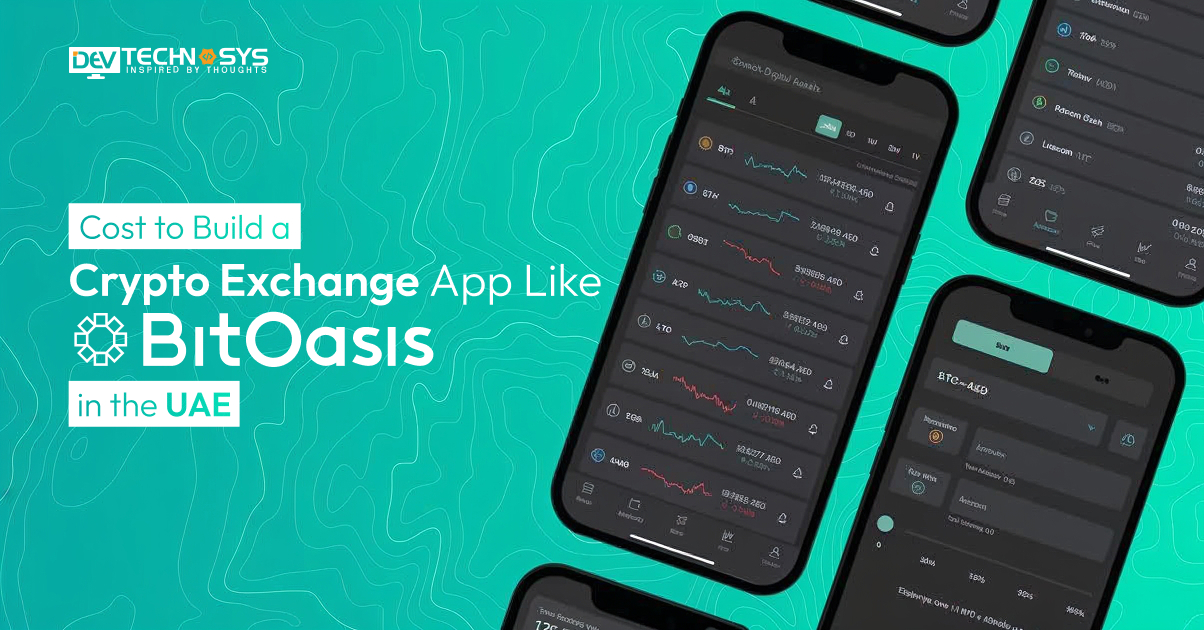
The UAE region is rising as a technology hub due to its growing interest in digital currencies and blockchain technology. It gives businesses a great opportunity to enter UAE’s lucrative market by building a crypto exchange app like BitOasis in the UAE. However, one thing that may stand in their way might be the cost. How much does it cost to build a crypto exchange app like BitOasis? Well, continue reading the blog to find out.
In general, the cost of developing such an app depends on factors such as feature complexity, security requirements, regulatory compliance, and ongoing maintenance. If you’re looking to enter the crypto space with a platform like BitOasis, understanding these financial requirements is crucial for budgeting and planning a successful venture. Let’s dive deeper into what influences the pricing!
How Much Does It Cost to Build a Crypto Exchange App Like BitOasis in the UAE?
The cost to build a crypto exchange app like BitOasis in UAE ranges from $8,000 to $30,000, depending on factors like features, platform type, UI/UX design, development expertise, and more. The basic cost to develop a cryptocurrency exchange app will be lower than that for an advanced app with greater complexity.
| App Type | Estimated Cost (USD) |
| Basic Exchange | $8,000 – $15,000 |
| Standard Exchange | $15,000 – $22,000 |
| Advanced Exchange | $25,000 – $30,000 |
The final cost to build an advanced app like BitOasis depends heavily on the white-label solution, the level of customization, security features, and, most importantly, the regulatory compliance requirements mandated by UAE authorities such as VARA or ADGM. The BitOasis app development cost with advanced features and functionalities may exceed $30,000.
Industry Insights: Over 500 million people own cryptocurrency, but less than 60 million actively trade it. A majority of users are based in the Asia-Pacific. Source: Business of Apps
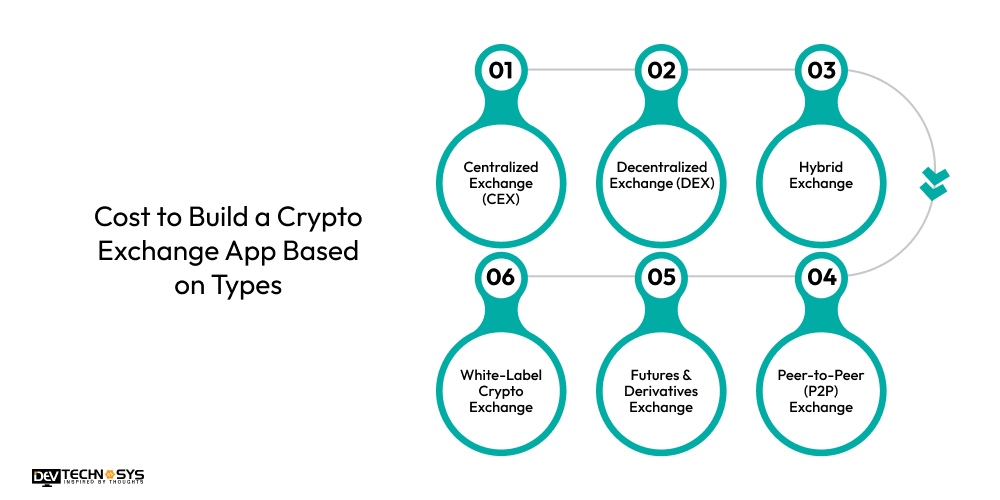
Cost to Build a Crypto Exchange App Based on Types
The cost to develop a crypto exchange app like BitOasis varies based on the type as well. Here, we have explained the major types of crypto exchange apps with their development cost. Take a look:
1. Centralized Exchange (CEX)
Centralized exchanges require robust infrastructure, including order-matching engines, centralized wallets, liquidity integration, and compliance with regulatory standards. Building a highly secure, scalable, and fast CEX is expensive due to the complexity of managing user accounts, transactions, and the risk of cyber threats.
The cost to build a crypto exchange app like BitOasis, charged by a top mobile app development company, can range from $23,000 to $26,000, depending on features and scale.
| Component | Cost (USD) |
| Trading Engine | $6,000 – $8,000 |
| Wallet System | $4,000 – $5,000 |
| Backend & Admin Panel | $5,000 – $6,000 |
| Security & KYC | $4,000 – $5,000 |
| UI/UX | $4,000 – $5,000 |
| Total Cost | $23,000 – $26,000 |
2. Decentralized Exchange (DEX)
Building a decentralized exchange is generally more affordable than centralized ones because you don’t need to maintain a central server or wallet management system. Instead, DEXs leverage blockchain technology and smart contracts to facilitate peer-to-peer trading. While blockchain expertise is needed, the overall cost to develop a DEX is typically on the higher side, due to fewer infrastructure requirements but more complex security protocols.
Industry Insights: According to Gemini Trust, In the first five months of 2025, DEXs accounted for 7.6% of total global crypto trading volume, with spot DEXs capturing up to 25% of the crypto spot market.
| Component | Cost (USD) |
| Smart Contracts | $6,000 – $8,000 |
| Blockchain Integration | $5,000 – $6,000 |
| Security Audit | $4,000 – $5,000 |
| Frontend Development | $4,000 – $5,000 |
| Testing & Deployment | $3,000 – $4,000 |
| Total Cost | $22,000 – $28,000 |
3. Hybrid Exchange
Hybrid exchanges combine the benefits of both centralized and decentralized systems, offering flexibility for users. They require more development resources for integrating centralized features (like faster trading) with decentralized elements (like blockchain integration). The hybrid blockchain development services cost is higher due to the dual infrastructure and ranges from $26,000 to $29,000+.
| Component | Cost (USD) |
| Centralized Infrastructure | $6,000 – $7,000 |
| Blockchain Integration | $5,000 – $6,000 |
| Wallet System | $5,000 – $6,000 |
| Security & Compliance | $5,000 – $6,000 |
| UI/UX | $4,000 – $5,000 |
| Total Cost | $26,000 – $29,000+ |
4. Peer-to-Peer (P2P) Exchange
P2P exchanges, like LocalBitcoins, let users trade directly with each other. The cost to build a crypto exchange app like BitOasis with simple features is lower because they don’t require a centralized order book or liquidity solutions. The key components include escrow systems, user verification, and security features.
The cost for developing top cryptocurrency exchange apps in Middle East (for P2P) can range from $20,000 to $24,000+, making it one of the more affordable options.
| Component | Cost (USD) |
| Escrow System | $5,000 – $6,000 |
| User Verification | $4,000 – $5,000 |
| Backend Development | $4,000 – $5,000 |
| Security Features | $3,000 – $4,000 |
| UI/UX | $4,000 – $4,500 |
| Total Cost | $20,000 – $24,000+ |
5. Futures & Derivatives Exchange
Exchanges offering futures and derivatives trading require complex features like leverage, margin trading, and automated liquidation. The backend needs to handle high-frequency trading and complex risk management tools.
There is a huge role of AI in cryptocurrency exchange apps. Adding AI features increases development costs to $25,000, depending on the advanced tools and features provided to users.
| Component | Cost (USD) |
| Margin & Leverage System | $6,000 – $7,000 |
| Risk Management Engine | $5,000 – $6,000 |
| High-Speed Backend | $5,000 – $6,000 |
| Security | $4,000 – $5,000 |
| Advanced Trading UI | $4,000 – $5,000 |
| Total Cost | $25,000+ |
6. White-Label Crypto Exchange
White-label exchanges are pre-built solutions that can be customized with your branding. Since most of the heavy lifting (like the core trading engine and backend) is already done, white-label solutions are the cheapest option for launching an exchange. Customization, branding, and third-party integration influence the cost to develop a crypto exchange app like BitOasis, typically ranging from $22,000 to $30,000+.
Industry Insights: Valuates Reports states that the global white-label crypto wallet market is projected to reach $295 million by 2031, with a CAGR of 7.1%
| Component | Cost (USD) |
| White-Label License | $12,000 – $18,000 |
| Custom Branding | $3,000 – $5,000 |
| Integrations | $3,000 – $4,000 |
| Security Setup | $2,000 – $3,000 |
| Deployment | $2,000 – $3,000 |
| Total Cost | $22,000 – $30,000+ |
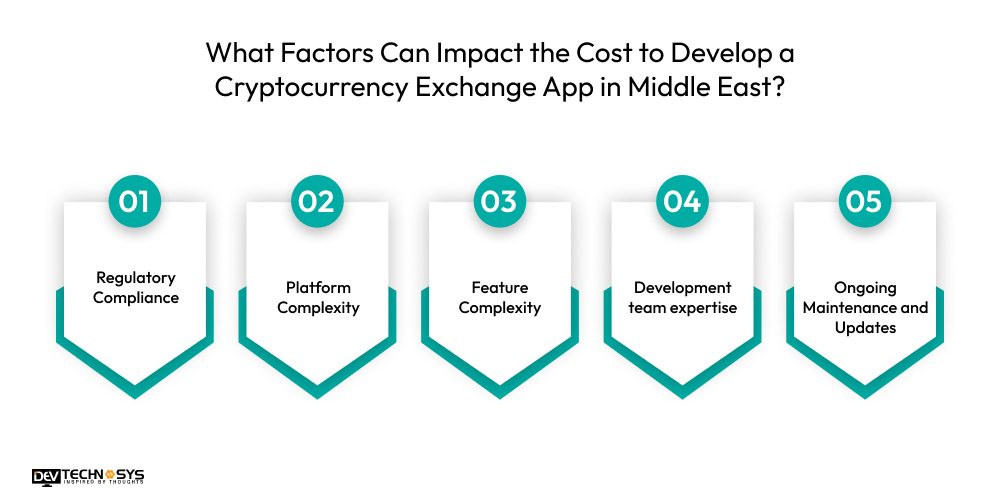
What Factors Can Impact the Cost to Develop a Cryptocurrency Exchange App in Middle East?
Stating the exact cost to develop a cryptocurrency exchange app in Middle East is difficult as it depends on various factors. Let’s see what these factors are and how they impact the cost to develop BitOasis alternatives in UAE.
1. Regulatory Compliance
Compliance with local regulations (KYC/AML, data protection) varies across the Middle East. Legal consultations, licensing, and adherence to international standards add costs, especially in countries with stricter laws like the UAE or Bahrain. Take a look at the table showcasing the cost to develop a crypto exchange app Like BitOasis, based on regularity level.
| Regulatory Level | Cost Impact (USD) |
| Basic Compliance Setup | $1,000 – $3,000 |
| Advanced KYC/AML Integration | $3,000 – $5,000 |
| Full Regulatory Readiness | $5,000 – $6,000 |
2. Platform Complexity
Centralized exchanges are more infrastructure-heavy, while decentralized exchanges require specialized blockchain expertise, which increases the cost to build a crypto exchange app like BitOasis. User-friendly UI/UX design, multi-currency support, and blockchain integration add complexity and development time, impacting overall costs.
| Platform Type | Cost Impact (USD) |
| Single Platform (Android or Web) | $3,000 – $6,000 |
| Cross-Platform App | $6,000 – $10,000 |
| Web + iOS + Android | $8,000 – $15,000 |
3. Feature Complexity
The more advanced features you add, the higher the development cost. Features like margin trading, staking, or multi-asset support require more complex coding and testing. Additionally, real-time transaction processing and robust security measures increase both the development timeline and budget.
If you want to develop a cryptocurrency exchange app like Bybit with advanced features, contact a top development firm.
| Feature Level | Cost Impact (USD) |
| Basic Trading & Wallet | $3,000 – $6,000 |
| Multi-Crypto Support | $5,000 – $8,000 |
| Advanced Trading (Charts, APIs) | $8,000 – $10,000 |
4. Development team expertise
The development team’s expertise heavily impacts the cost to build a BitOasis clone app, with senior, specialized, and Western-based talent often charging higher per hour than less experienced, offshore, or freelance developers.
Highly specialized, experienced blockchain developers command higher hourly rates, directly increasing the development budget, yet they often reduce the total project time by avoiding pitfalls.
| Team Type | Cost Impact (USD) |
| Freelancers | $4,000 – $8,000 |
| Mid-Level Development Agency | $8,000 – $15,000 |
| Experienced Blockchain Firm | $12,000 – $20,000 |
5. Ongoing Maintenance and Updates
After launch, the platform needs continuous updates, bug fixes, and security improvements, which significantly impact the cost to make a crypto exchange app like BitOasis. The cost to maintain a BitOasis clone app is 12% to 20% of the total BitOasis app development cost.
As the user base grows, scaling infrastructure and ensuring consistent uptime and security become more expensive.
| Maintenance Level | Annual Cost (USD) |
| Basic Support | $1,000 – $2,000 |
| Regular Updates | $2,000 – $4,000 |
| Advanced Security & Scaling | $4,000 – $6,000 |
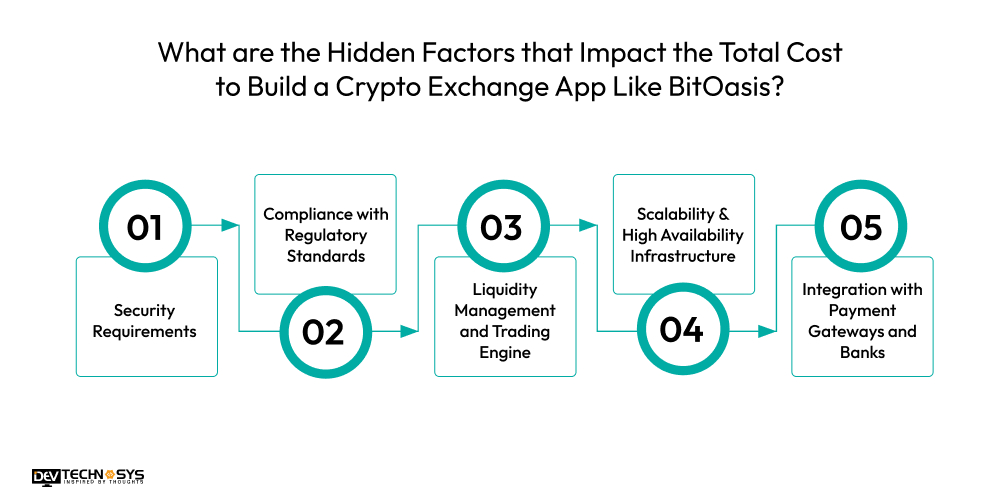
What are the Hidden Factors that Impact the Total Cost to Build a Crypto Exchange App Like BitOasis?
Besides the well-known cost affecting factors mentioned above, there are also some hidden factors that affect the total cost to develop a mobile app like BitOasis. Take these hidden factors into consideration and plan your app development budget accordingly.
1. Security Requirements
If you are considering developing a top crypto exchange app in Saudi Arabia, then protecting user data and funds is vital. It involves advanced security protocols like multi-factor authentication, encryption, and cold storage for crypto assets. Integrating robust fraud-prevention systems and conducting regular security audits can increase the cost of developing the BitOasis alternative app, but it is necessary to maintain trust and safeguard users.
2. Compliance with Regulatory Standards
Ensuring compliance with local and global laws requires obtaining licenses, which can range in cost from $10,000 to $1 million. Regular legal advisory and monitoring of crypto regulations also incur substantial fees, with continuous updates needed to stay compliant in a fast-evolving industry.
3. Liquidity Management and Trading Engine
To offer smooth trading experiences, exchanges need a custom trading engine for order matching. Integrating with liquidity providers ensures enough buyers and sellers, but the costs associated with these services, especially premium ones, can be significant. Optimizing the engine for scale adds additional complexity.
4. Scalability & High Availability Infrastructure
A crypto exchange must be scalable to handle high volumes of transactions. Building an infrastructure on cloud platforms (e.g., AWS, Google Cloud) or using distributed servers to ensure 24/7 uptime adds costs. These systems require constant monitoring and maintenance for reliability and scalability.
5. Integration with Payment Gateways and Banks
Enabling fiat-to-crypto transactions requires integrating payment gateways. This process can be expensive, especially for cross-border payments and fiat-to-crypto conversions. Partnering with banks or payment processors often entails transaction fees and monthly maintenance costs, impacting profitability over time.
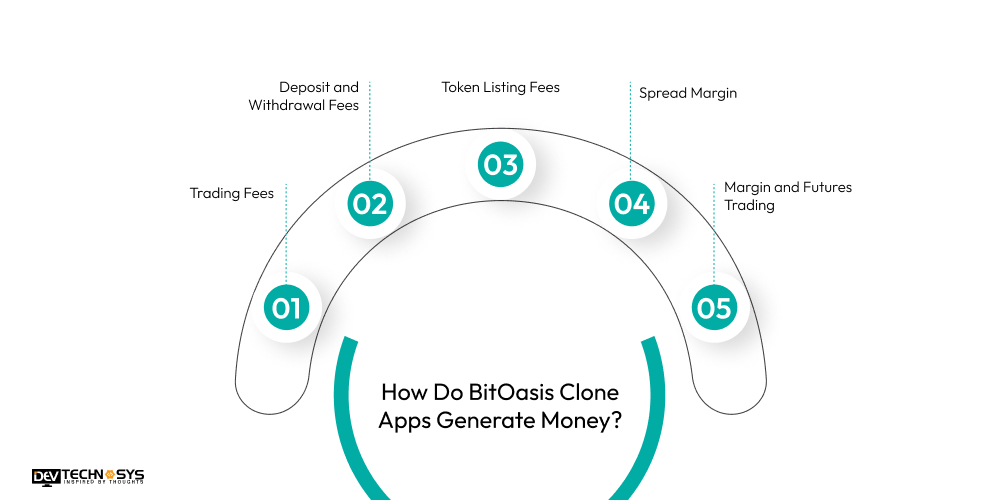
How Do BitOasis Clone Apps Generate Money?
Crypto exchange apps like BitOasis clones make money by facilitating cryptocurrency trading and offering value-added services to users. They generate revenue through transaction fees, premium features, and other financial mechanisms that turn platform activity into consistent income.
1. Trading Fees
Trading fees are the main source of revenue for crypto exchange apps. The platform charges a small percentage on every buy and sell order executed by users. Most exchanges follow a maker-taker model, typically charging between 0.1% and 0.5% per transaction, depending on trading volume and user tier.
2. Deposit and Withdrawal Fees
Exchanges also earn by charging users for depositing and withdrawing funds. Fiat withdrawals often include banking or transaction charges, while crypto withdrawals include network or blockchain fees plus a service margin. These fees, though small individually, accumulate due to frequent activity, making them a steady revenue source alongside trading fees for the platform.
3. Token Listing Fees
Crypto projects pay exchanges to list their tokens, boosting visibility, liquidity, and credibility. Listing fees vary based on the project’s popularity, exchange reputation, and expected trading volume. For many exchanges, token listings are a high-margin revenue source, especially as the platform gains market recognition and attracts high-profile blockchain projects.
4. Spread Margin
Exchanges offering leverage, margin, and futures trading earn through interest on borrowed funds, liquidation fees, and funding rates. These advanced trading options generate higher revenue than spot trading. Why? They encourage frequent trades, larger position sizes, and attract professional traders who contribute significantly to platform income.
5. Margin and Futures Trading
Crypto exchanges offer staking or yield-earning programs that allow users to lock assets and earn rewards. The platform takes a commission from staking rewards or validator fees, generating passive income. These programs incentivize users to hold assets longer, increasing engagement while simultaneously creating a reliable revenue stream for the exchange.
What is the Recommended Approach Based on Budget and Requirements?
According to professionals who offer cryptocurrency exchange development services in Dubai, choosing the right crypto exchange model depends heavily on your budget and business goals. A strategic approach ensures you get the features you need while optimizing development costs and scalability.
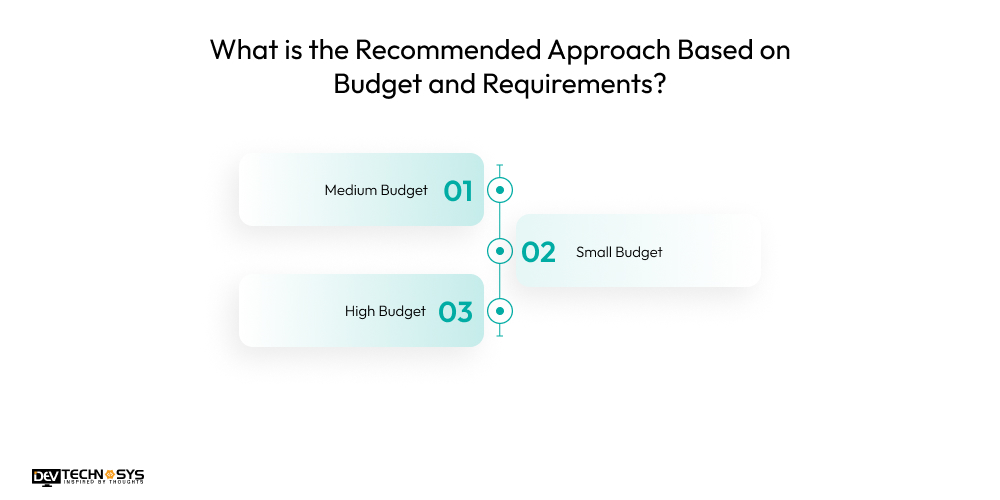
1. Medium Budget
- Recommended Approach: Develop a centralized exchange (CEX) or a decentralized exchange (DEX).
- Why it works: Both platforms offer more advanced features, better liquidity management, and flexibility for a growing user base. This approach balances functionality with cost, providing scalability while keeping the project within an affordable crypto exchange app development cost.
2. Small Budget
- Recommended Approach: Opt for a white-label cryptocurrency exchange development solution or a P2P exchange.
- Why it works: These options reduce initial development costs and time-to-market. You get a reliable trading platform without heavy investment in infrastructure or advanced features, making it ideal for startups entering the crypto market.
3. High Budget
- Recommended Approach: Invest in a hybrid exchange or a custom-built platform.
- Why it works: This allows for a highly scalable, feature-rich exchange capable of handling high volumes. Ideal for large-scale operations, it caters to both retail and professional traders and supports future growth without major overhauls.

Conclusion
Building a crypto exchange app like BitOasis in the UAE can cost, depending on your platform choice, features, security level, and compliance requirements. Planning your budget according to long‑term goals, target audience, and regulatory compliance is key to launching successfully in the rapidly growing Middle Eastern crypto market. If you want to develop a similar app like BitOasis for your business, then contact the experts at Dev Technosys. With a skilled development team and a track record of successful projects, we are the leading cryptocurrency exchange development company.
FAQs
Q1. How Much Does It Cost To Build A Crypto Exchange In The UAE?
The cost to build a crypto exchange in the UAE varies depending on features, complexity, and compliance requirements.
- Basic exchange with essential features: $8,000 – $15,000
- Standard CEX or DEX: $15,000 – $25,000
- Advanced/hybrid/custom exchange: $25,000 – $30,000+
Q2. What Factors Affect The Development Cost?
Multiple elements influence the final cost to create a crypto exchange app like BitOasis.
- Platform type: CEX, DEX, hybrid, or P2P
- Feature complexity: margin trading, futures, staking, charts
- Security measures: KYC/AML, 2FA, encryption
- Team expertise: experienced blockchain developers cost more
- Regulatory compliance: UAE crypto and financial laws
Q3. Is Blockchain Integration Expensive?
The cost to create a crypto exchange app like BitOasis also impacts the decentralized features and the functionality added.
- Smart contract development for decentralized trades
- Security audits to prevent hacks
- Testing across networks for reliability
- Ongoing maintenance for updates and network changes
Q4. Can White-Label Solutions Reduce Costs?
Pre-built platforms help you launch faster at a lower cost.
- The core trading engine is already developed
- Costs mainly for branding and integration
- Reduced technical risks and faster time-to-market
- Ideal for startups entering the crypto market
Q5. What Ongoing Expenses Should Be Considered?
Operating a crypto exchange requires continuous investment.
- Regular software maintenance and bug fixes
- Security updates and patches
- Compliance updates (KYC/AML)
- Server hosting, cloud infrastructure, and data management
- Customer support and user management