





Wallet Management: Store, send, and receive funds securely Money Transfers & Bill Payments: Seamless peer-to-peer and utility payments KYC/AML Verification: Ensure regulatory compliance and user authenticity Transaction History: Track all financial activities Advanced Features: AI-based fraud detection, blockchain, NFC/QR payments, voice commands, and multi-currency support" } }, { "@type": "Question", "name": "How Can The App Be Monetized?", "acceptedAnswer": { "@type": "Answer", "text": "Here’s how you can monetize your fintech app:
Transaction Fees: Charge per transfer or payment processed Premium Subscriptions: Subscription-Based fintech app offers additional features for paid users Merchant Partnerships: Earn commissions or referral fees from partnered businesses In-App Advertising: Display targeted promotions within the app Financial Products: Provide loans, insurance, or investment options for additional revenue" } }, { "@type": "Question", "name": "How Do I Ensure The App Remains Secure And Compliant?", "acceptedAnswer": { "@type": "Answer", "text": "Security and regulatory compliance are critical for fintech apps. Here are the methods to keep your app secure and compliant:
Implement end-to-end encryption and secure APIs Conduct KYC/AML verification for all users Comply with PCI DSS, GDPR, and local fintech regulations Perform regular security audits and timely software updates" } }, { "@type": "Question", "name": "Can Small Businesses Afford To Build Such An App?", "acceptedAnswer": { "@type": "Answer", "text": "Even small businesses can enter the fintech space by starting with a basic MVP. Gradual scaling, careful feature selection, and cost-effective development strategies allow startups to test the market without overspending while building a competitive app." } } ] }
Key Takeaways:
-
- The process to build a fintech app like benefits pay involves planning features such as wallet management, payments, and KYC verification, selecting the right tech stack, and integrating secure payment gateways.
- The cost of fintech app development like Benefits Pay ranges from $8,000 to $30,000, depending on features, tech-stack, backend, platform choice, and developer location.
- To create the best mobile banking app for money transfers, build backend APIs, integrate payment gateways (UPI, Stripe, PayPal, card tokenization), implement security measures (2FA, encryption, PCI DSS compliance), and connect analytics or AI-based monitoring tools.
- Continuously monitor performance, release updates for security patches, new features, and user feedback to improve engagement and retention.
In today’s fast-moving digital economy, fintech apps are transforming how people send, receive, and manage money with just a few taps. Apps like BenefitsPay have set a new standard by offering secure, instant, and user-friendly payment experiences. Whether it’s splitting bills, paying merchants, or transferring funds in real time, users now expect speed, simplicity, and top-level security.
For businesses and startups, building a fintech app like this opens the door to massive growth and customer engagement. But it’s not just about design; developing a similar app like Benefits Pay requires strong technology, compliance, and seamless integration.
This blog explores how you can build a fintech app like Benefits Pay that stands out in today’s competitive market. From development steps to features, from cost factors to monetization strategies, we will leave no stone unturned. So, without further delay, let’s dive into it!
What is Benefits Pay?
Benefits pay, or employee benefits, refers to non-wage compensation provided to employees in addition to their base salary, such as health insurance, retirement plans, paid time off, and bonuses. These perks enhance total compensation, increase job satisfaction, and help attract/retain talent.
Fintech App Market Stats
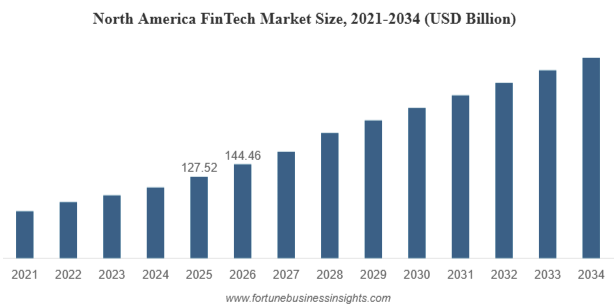
- The global fintech market is projected to reach USD 460.76 billion in 2026 and USD 1,760.18 billion by 2034, with a CAGR of 18.20% over the forecast period.
- Asia Pacific is projected to grow to USD 143.72 billion in 2026, aiming to become the world’s largest market by 2032
- North America currently dominates the global market, accounting for 32.30% in 2025.
- The blockchain segment is projected to dominate the market, with a 38.40% share in 2026.
How Do Apps Like Benefit Pay Work?
Apps like BenefitsPay let users send, receive, and pay money instantly using their smartphones. Users link their bank accounts, and the app securely processes transactions using encryption, OTPs, or biometrics. They also support QR payments, bill payments, and real-time tracking, making digital transactions fast, safe, and convenient.
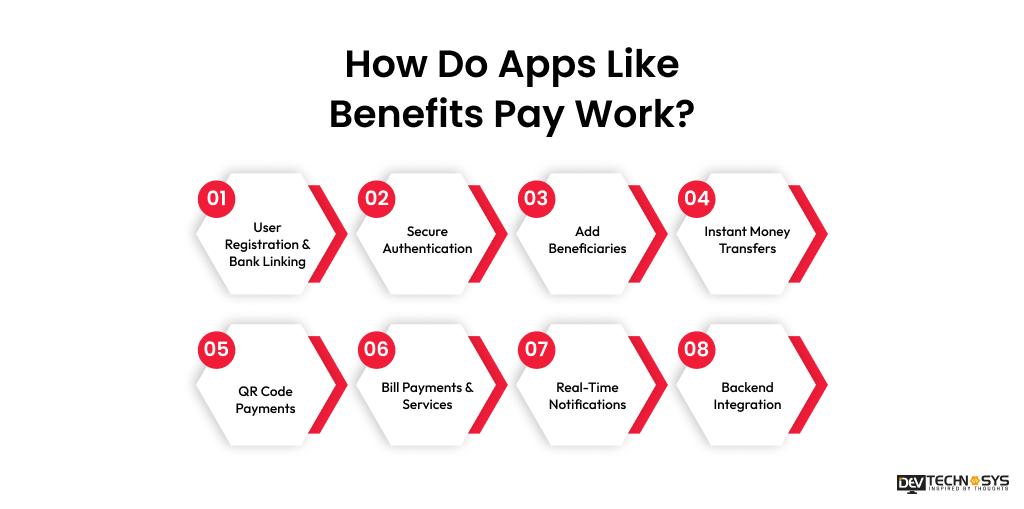
- User Registration & Bank Linking: Users sign up using their mobile number and securely connect their bank account.
- Secure Authentication: Login is protected with KYC Verification, OTPs, PINs, or biometric methods like fingerprint or face ID.
- Add Beneficiaries: Fintech apps Middle East allow users to save contacts via phone number or bank details for quick transfers.
- Instant Money Transfers: Send and receive money in real time directly from the linked bank account.
- QR Code Payments: Scan QR codes at stores to make fast, cashless payments.
- Bill Payments & Services: Pay utility bills, mobile recharges, and other services within the app.
- Real-Time Notifications: Get instant alerts and access transaction history for full transparency.
- Backend Integration: API Banking Integration connects banks and payment gateways, while encryption ensures secure transactions.
What are the Top 10 Benefits Pay Alternatives You Need to Explore in 2026?
According to a top banking app development company, as digital finance continues to evolve, apps like these are transforming how users manage payments, banking, and credit services. Each platform offers unique features, making them strong alternatives for secure, fast, and flexible financial transactions in 2026.
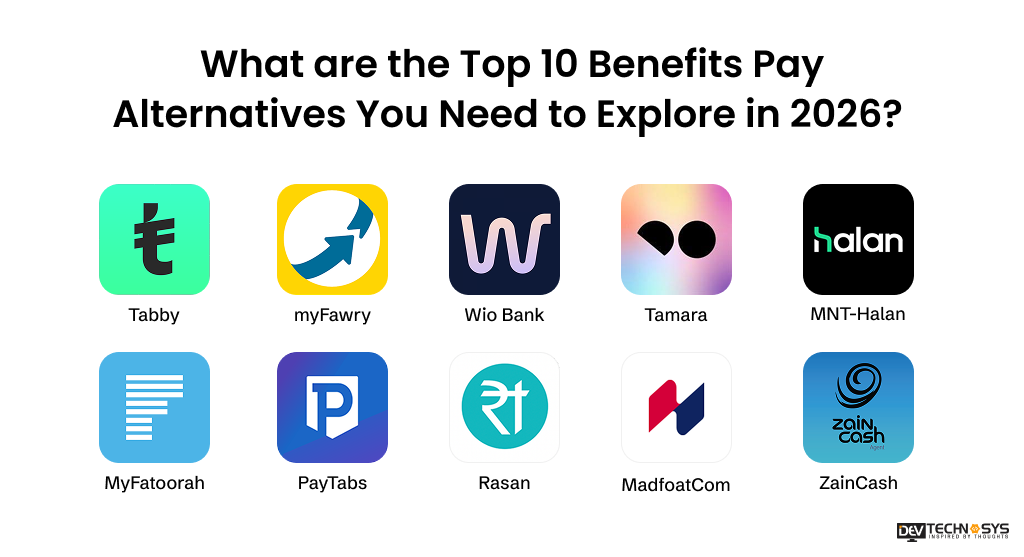
| App | Launch Year | Ratings | Platform Availability |
| Tabby | 2019 | 4.5★ | Android, iOS, Web |
| myFawry | 2019 | 4.3★ | Android, iOS, Web |
| Wio Bank | 2020 | 4.4★ | Android, iOS |
| Tamara | 2020 | 4.6★ | Android, iOS, Web |
| MNT-Halan | 2017 | 4.4★ | Android, iOS |
| MyFatoorah | 2014 | 4.5★ | Android, iOS, Web |
| PayTabs | 2014 | 4.4★ | Android, iOS, Web |
| Rasan | 2018 | 4.3★ | Android, iOS |
| MadfoatCom | 2015 | 4.2★ | Android, iOS |
| ZainCash | 2010 | 4.1★ | Android, iOS, Web |
1. Tabby
Tabby is a buy now, pay later (BNPL) platform that lets users split online purchases into interest-free installments. This Benefits Pay clone app supports major eCommerce merchants across the Middle East. With a focus on convenience, Tabby delivers a seamless mobile experience across Android and iOS, making it an effective fintech app development solution for businesses seeking to integrate flexible payment options.
Industry Insights: Tabby became the first independent fintech unicorn in the Middle East, achieving a $1.5 billion valuation in November 2023, according to entrepreneur.com.
2. myFawry
myFawry is a leading Egyptian digital payment platform that enables users to pay bills, recharge mobile accounts, and make online purchases. Available on Android, iOS, and web, it offers secure, fast, and convenient payment solutions. The platform is widely trusted by millions of users for everyday transactions.
3. Wio Bank
Wio Bank is a digital-first banking platform that provides mobile banking, payments, and personal finance management. With a user-friendly interface on Android and iOS, it enables instant money transfers, account tracking, and secure transactions, making banking more accessible for individuals and small businesses.
4. Tamara
Tamara is among the top fintech apps UAE in the GCC that allows users to split online purchases into interest-free installments. It integrates seamlessly with eCommerce platforms and mobile apps, offering fast approvals, secure payments, and greater flexibility for shoppers looking to manage their expenses more effectively. For ewallet app development like Tamara, reach out to the best fintech app development providers.
5. MNT-Halan
MNT-Halan is an Egyptian fintech app providing mobile wallet services, digital payments, and microloans. It supports money transfers, bill payments, and online shopping, making financial services more accessible. Available on Android and iOS, it focuses on convenience, security, and improving financial inclusion in emerging markets.
How to Build a Fintech App Like Benefits Pay in 7 Simple Steps?
To build a fintech app like Benefits Pay, you need a strategic approach that combines secure architecture, regulatory compliance, and seamless user experience. By following a step-by-step process, businesses can develop a scalable, reliable digital payment solution tailored to modern financial needs.
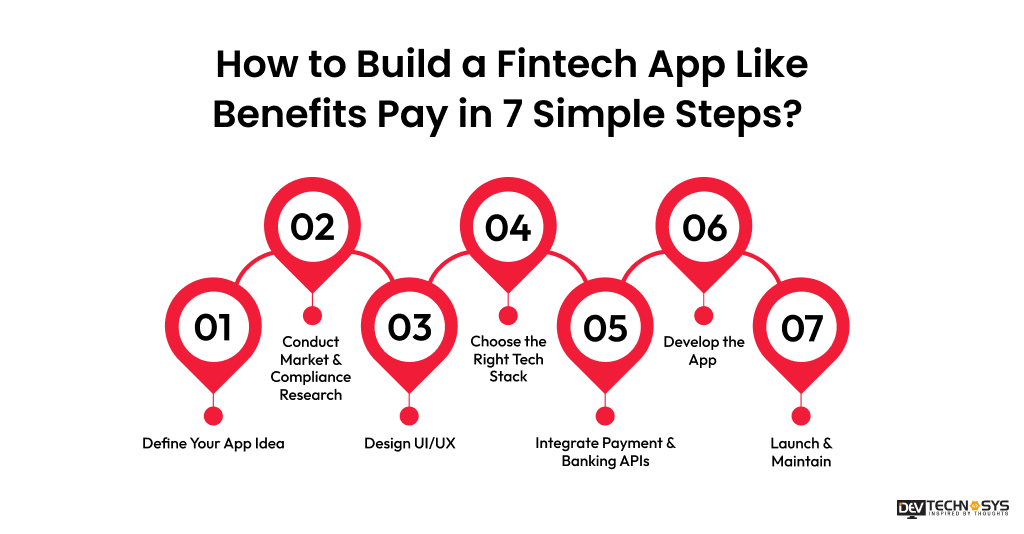
Step1. Define Your App Idea
Start the process to build a fintech app like Benefits Pay by clearly defining your app’s purpose and core features, such as money transfers, QR payments, bill payments, and wallet services. Identify your target audience and their needs. A well-defined idea helps you build a focused, user-centric app with a strong value proposition in the competitive fintech market.
Step2. Conduct Market & Compliance Research
An expert who provides fintech app development services in Middle East will analyze competitors and study user expectations to understand current trends. At the same time, ensure compliance with financial regulations like KYC, AML, and data protection laws. This step to develop a fintech app like Benefits Pay is crucial to avoid legal issues and build a secure, trustworthy fintech application for long-term success.
Step3. Design UI/UX
To build a fintech app like Benefits Pay, you need to create a simple, intuitive, and visually appealing interface that ensures smooth navigation. Your Benefits Pay clone app should focus on user-friendly transaction flows, quick load times, and minimal steps for payments. A well-designed UI/UX enhances user satisfaction, builds trust, and increases engagement by making the app easy and enjoyable to use.
Step4. Choose the Right Tech Stack
Your Android app development provider in Dubai will select appropriate technologies for frontend, backend, database, and APIs. Ensure the tech stack supports scalability, performance, and strong security. To develop a fintech app like Benefits Pay, you need to choose the right tools that help your app handle high traffic, process transactions efficiently, and adapt to future updates without compromising speed or reliability.
| Layer | Technologies |
| Frontend (Mobile) | Flutter, React Native, Swift (iOS), Kotlin (Android) |
| Backend | Node.js, Python (Django/Flask), Java (Spring Boot) |
| Database | PostgreSQL, MongoDB, MySQL |
| Cloud & Hosting | AWS, Google Cloud, Microsoft Azure |
| Payment Integration | Stripe, PayPal API, Razorpay |
| APIs & Integrations | REST APIs, GraphQL, Open Banking APIs |
| Security | SSL Encryption, OAuth 2.0, Multi-Factor Authentication (MFA) |
| Analytics | Google Analytics, Firebase Analytics |
| Notifications | Firebase Cloud Messaging (FCM), Twilio |
| DevOps & CI/CD | Docker, Kubernetes, Jenkins, GitHub Actions |
Step 5. Integrate Payment & Banking APIs
Connect your app with banks, payment gateways, and third-party APIs to enable seamless transactions. Create a fintech app like Benefits Pay that ensures secure data exchange through encryption and authentication. This integration into your Benefits Pay clone app allows real-time money transfers, bill payments, and other financial services, making your app functional, reliable, and convenient for users.
Industry Insights: According to Business of Apps, Mobile payments apps are used by more than 2 billion people globally, with adoption rising year by year as wallets become mainstream.
Step 6. Develop the App
Build the fintech app like STC Pay in steps, starting with core features and gradually adding advanced functionalities. Conduct unit testing, integration testing, and user acceptance testing to ensure smooth performance. This step helps identify bugs early, improve usability, and deliver a secure, high-quality app before launch.
Step 7. Launch & Maintain
Deploy the app on app stores and promote it through marketing channels like social media and email campaigns. After launch, monitor user feedback and analytics regularly. Continuously update the app with new features, performance improvements, and security patches to maintain user trust and ensure long-term success.
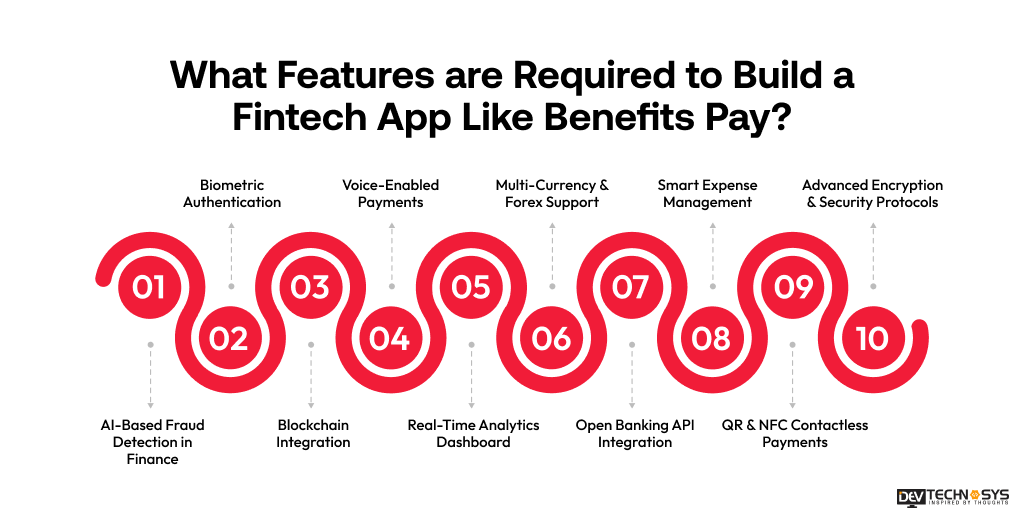
What Features are Required to Build a Fintech App Like Benefits Pay?
To develop a fintech app like BenefitPay, your mobile app development company in UAE will need to add a robust set of features focused on security, seamless transactions, and user convenience. From secure authentication to real-time payments and analytics, these features ensure a reliable and scalable digital payment ecosystem.
| User Panel | Admin Panel | Merchant Panel |
| User Registration & eKYC | Admin Login & Dashboard | Merchant Registration |
| Secure Login (OTP, Biometric) | Role-Based Access Control | Secure Login |
| Bank Account Linking | User Management | Merchant Verification |
| P2P Money Transfer | KYC/AML Management | Accept Payments (QR/POS) |
| QR Code Payments | Transaction Monitoring | API Payment Integration |
| Bill Payments & Recharge | Fraud Detection Tools | Transaction Dashboard |
| Transaction History | Payment Gateway Control | Settlement Management |
| Notifications & Alerts | Dispute & Refund Management | Payout Management |
| Expense Tracking | Analytics & Reports | Invoice Generator |
1. AI-Based Fraud Detection in Finance
To build a fintech app like Benefits Pay, you need to leverage artificial intelligence and machine learning algorithms to monitor transactions in real time, detect suspicious activities, prevent fraud, and enhance security by analyzing user behavior patterns and transaction anomalies.
2. Biometric Authentication
Best fintech apps Saudi Arabia use biometric authentication to enable secure login via fingerprint scanning, facial recognition, or voice authentication to enhance user security, reduce fraud risks, and provide a seamless, convenient authentication experience across devices.
Industry Insights: According to Global Newswire, the global biometric payment market is projected to grow from $8.6 billion in 2023 to ~$34.8 billion by 2032, showing strong demand for biometric‑enabled finance apps.
3. Blockchain Integration
To create a fintech app like Benefits Pay, leverage blockchain payment solutions. It creates a secure, decentralized transaction system that ensures transparency and immutability. It reduces fraud risks, enhances trust among users, and maintains accurate, tamper-proof records across the entire financial ecosystem.
4. Voice-Enabled Payments
Enable users to perform transactions using voice commands integrated with AI-powered assistants. Digital wallet apps Middle East use this feature to enhance accessibility, speed up payment processes, and offer a hands-free, intuitive experience for users seeking convenience in everyday financial interactions.
5. Real-Time Analytics Dashboard
Develop an app like Taptap Send that offers a dynamic financial analytics dashboard that displays real-time transaction data, spending insights, and financial trends. This empowers users and administrators to monitor activities, optimize financial decisions, and gain better control over performance and operational efficiency.
6. Multi-Currency & Forex Support
Enable users to transact in multiple currencies with real-time exchange rate updates, ensuring seamless cross-border payments. This feature enhances global usability and supports international transfers while maintaining transparency in conversion rates and transaction fees.
7. Open Banking API Integration
Integrate secure open banking APIs to connect with multiple financial institutions, allowing users to access accounts, initiate transactions, and manage finances within a unified platform while ensuring compliance with modern banking regulations.

8. Smart Expense Management
Utilize AI-powered tools to automatically categorize expenses, analyze spending behavior, and generate personalized insights. This helps users track budgets efficiently, improve financial planning, and make smarter decisions based on real-time financial data.
9. QR & NFC Contactless Payments
Support instant contactless payments using QR codes and NFC technology, enabling fast, secure, and convenient transactions for both online and offline purchases, enhancing overall user experience and reducing dependency on physical cash.
10. Advanced Encryption & Security Protocols
Implement robust security measures, including end-to-end encryption, tokenization, and SSL/TLS, to safeguard sensitive financial data, prevent unauthorized access, and ensure compliance with global fintech security and data protection standards.
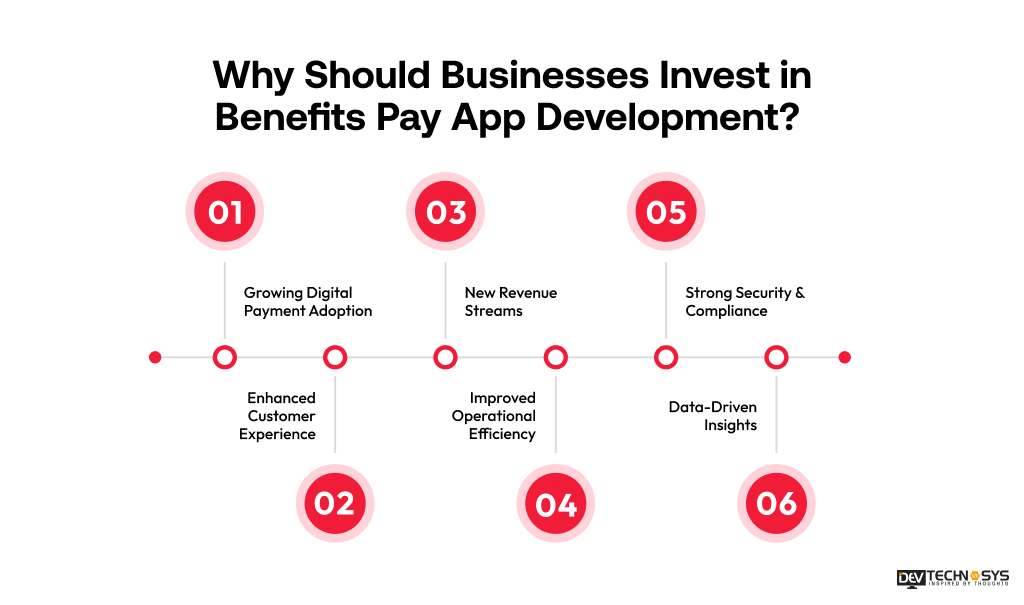
Why Should Businesses Invest in Benefits Pay App Development?
Businesses should consider investing in apps like BenefitPay to stay competitive in the rapidly evolving digital payments ecosystem. Such apps not only enhance customer convenience but also streamline financial operations and unlock new revenue opportunities. Let’s study the key reasons to invest in Detail:
1. Growing Digital Payment Adoption
As consumers increasingly prefer cashless transactions, fintech apps allow businesses to meet this demand by offering fast, secure, and contactless payment solutions. This adoption not only attracts tech-savvy users but also strengthens overall market competitiveness.
2. Enhanced Customer Experience
A seamless user interface, instant fund transfers, and multiple payment options enhance convenience and satisfaction. By improving the customer experience, businesses can increase retention rates, build trust, and strengthen brand loyalty in an increasingly digital marketplace.
3. New Revenue Streams
Fintech apps offer opportunities to monetize through transaction fees, subscription-based models, merchant partnerships, and additional value-added financial products. This enables businesses to diversify income sources while offering innovative solutions to meet customer needs.
4. Improved Operational Efficiency
Automating payments, settlements, and reporting reduces manual workloads, minimizes errors, and speeds up financial processes. This operational efficiency allows businesses to focus on growth and customer service rather than routine administrative tasks.
5. Strong Security & Compliance
Integrating advanced encryption, fraud detection, and regulatory compliance ensures that transactions are secure and trustworthy. This reduces the risk of data breaches, builds customer confidence, and meets global financial standards.
6. Data-Driven Insights
Real-time analytics provide actionable insights into user behavior, spending patterns, and transaction trends. Businesses can leverage this data to optimize services, personalize offerings, and make informed strategic decisions that drive growth and profitability.
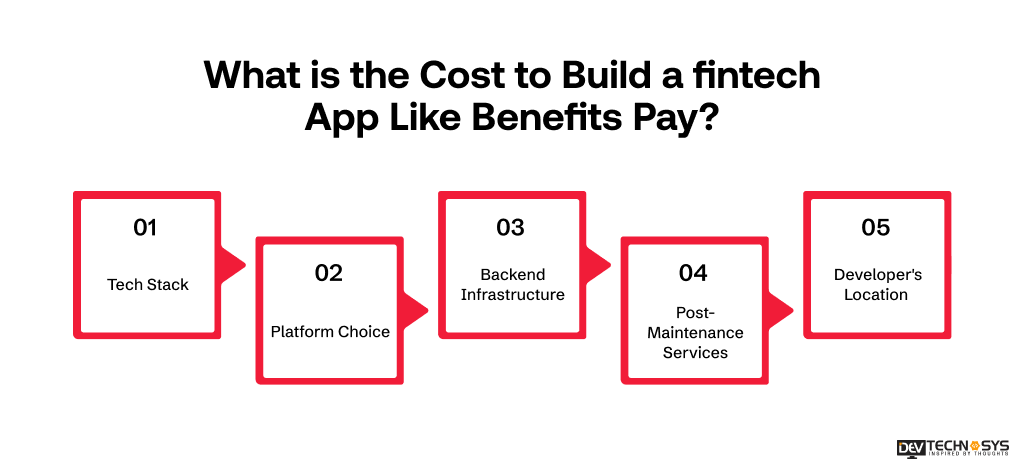
What is the Cost to Build a Fintech App Like Benefits Pay?
The cost to build a fintech app like Benefits Pay varies depending on features, complexity, and the chosen platform. The fintech app development cost for a basic MVP with core functionalities such as user registration, a wallet, and simple transfers ranges from $8,000 to $15,000.
For a mid-range commercial app with secure payments, KYC/AML compliance, admin dashboards, and analytics, the Benefits Pay app development cost typically ranges from $15,000 to $22,000. Advanced enterprise-grade platforms with blockchain integration, AI-based fraud detection, real-time analytics, and multi-bank API support can cost $22,000 to $30,000 or more.
| App Type | Estimated Cost (USD) | Development Time |
| Basic MVP | $8,000 – $12,000 | 2–3 months |
| Intermediate App | $12,000 – $20,000 | 3–5 months |
| Enhanced MVP | $20,000 – $30,000 | 4–6 months |
Overall, developing a robust, secure, and scalable fintech app requires a substantial investment, typically ranging from $8,000 to over $ 30,000, with timelines of 6 to 18 months depending on scope and features. Key factors affecting the cost to develop a banking app in UAE include security and compliance requirements, third-party integrations, platform selection (iOS, Android, or cross-platform), UX/UI design complexity, and development team location.
1. Tech Stack
Selecting the right tech stack is crucial for app performance, scalability, and security, but it impacts the cost to build an app like Benefits Pay. Front-end frameworks like React Native or Flutter, backend technologies like Node.js, Django, or Laravel, and databases such as PostgreSQL, Firebase, or MongoDB directly influence the Benefits Pay app development cost.
| Component | Estimated Cost Impact (USD) |
| Frontend Framework (React Native / Flutter) | $2,000 – $4,000 |
| Backend Framework (Node.js / Django / Laravel) | $1,500 – $3,000 |
| Database (PostgreSQL / Firebase / MongoDB) | $1,000 – $2,000 |
2. Platform Choice
Deciding between Android, iOS, or cross-platform development affects the reach and cost to build an app like Benefits Pay. Native apps deliver optimized performance for a single OS, while cross-platform solutions reduce budget and development time by enabling simultaneous deployment across multiple platforms. The table below shows the mobile app development cost by platform type.
| Platform | Estimated Cost Impact (USD) |
| Android Only | $3,000 – $5,000 |
| iOS Only | $3,500 – $6,000 |
| Multi-Platform Compatibility (iOS, Android, Web) | $5,000 – $8,000 |
3. Backend Infrastructure
Backend components like cloud hosting (AWS or Google Cloud), secure API integrations with banks or payment gateways, and compliance with encryption and GDPR standards form the foundation of a fintech app, ensuring reliability, scalability, and safe financial transactions. If you want to understand the cost to create an app like Benefits Pay based on backend infrastructure, then take a look at the table below.
| Component | Estimated Cost Impact (USD) |
| Cloud Hosting (AWS / Google Cloud) | $1,000 – $2,500 |
| API Integrations (Banking, Payment Gateways) | $1,500 – $3,000 |
| Security & Compliance (Data Encryption, GDPR Compliance) | $1,000 – $2,500 |
4. Post-Maintenance Services
The cost to maintain an app is one of the major cost impacting factors. Starting post-maintenance services is essential to maintain performance. It includes regular updates, security patches, OS upgrades, new feature additions, and ongoing optimization, which influence the total cost to build an app like Benefits Pay.
| Service | Estimated Cost Impact (USD/year) |
| Bug Fixes & Updates | $800 – $1,500 |
| Feature Enhancements | $1,000 – $2,000 |
| Cloud & Server Management | $700 – $1,200 |
5. Developer’s Location
Hiring developers from different regions significantly affects cost. Offshore teams (India, Southeast Asia) reduce the cost to develop an app like Benefits Pay while maintaining quality, whereas North American or Western European teams charge higher rates but may offer closer collaboration and faster communication.
Industry Insights: The global developer population is projected to reach about 28.7 million, showing that tech talent is growing worldwide and enabling companies to hire from a broader range of regions, as stated by Statista
| Location | Estimated Cost Impact (USD) |
| North America / Western Europe | $50 – $150 / hour |
| Eastern Europe / Latin America | $25 – $50 / hour |
| India / Southeast Asia | $15 – $35 / hour |
What Are The Monetization Strategies For Apps Like Benefits Pay?
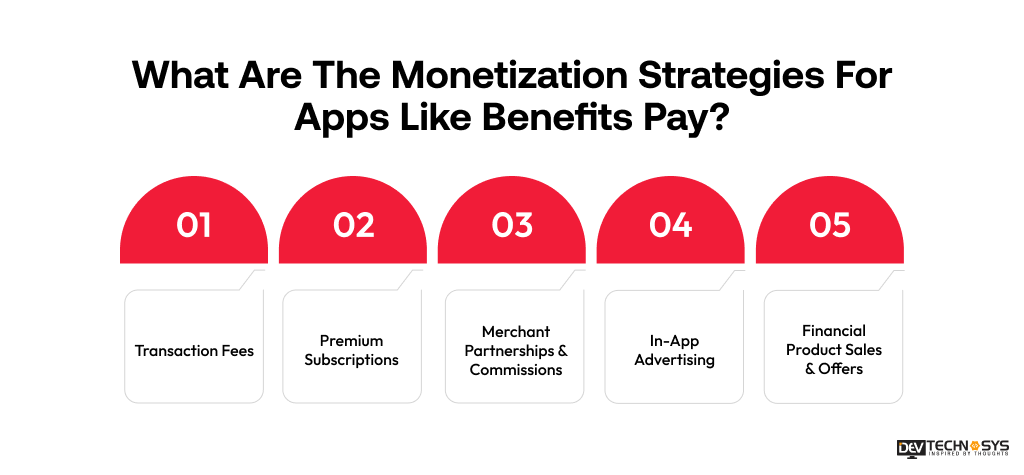
Apps like BenefitPay offer multiple avenues for generating revenue beyond core payment services. Hire on-demand app developers to add transactions, subscriptions, partnerships, and value-added services in the app. Here are some of the sustainable and diversified monetization models to implement in your app.
1. Transaction Fees
Charge a small fee for every transaction processed through the app, including peer-to-peer transfers, bill payments, and merchant payments. It creates a steady revenue stream while keeping fees transparent and competitive, encouraging high user adoption and frequent usage.
2. Premium Subscriptions
Offer tiered subscription plans with advanced features such as higher transfer limits, faster transactions, personalized financial insights, or priority customer support. Users paying for premium services provide recurring revenue while enjoying enhanced convenience and value-added benefits.
Read more: How to Build a Fintech App Like urpay?
3. Merchant Partnerships & Commissions
Collaborate with businesses and merchants by enabling in-app payments, loyalty programs, or promotions. The mobile fintech apps UAE & KSA can earn commissions from transactions, referral bonuses, or promotional campaigns, creating mutual value for both the platform and partnered businesses.
4. In-App Advertising
Display targeted, non-intrusive ads from financial institutions, eCommerce brands, or service providers. Carefully implemented advertising generates additional revenue without disrupting user experience, leveraging the app’s user base for effective marketing and engagement.
5. Financial Product Sales & Offers
Monetize by offering users financial products such as insurance, loans, or investment options directly through the app. Partnerships with banks or fintech companies allow the app to earn referral fees or commissions, providing users with convenient access while generating revenue.

Tips For Long-Term Success And Innovation In Fintech App Development
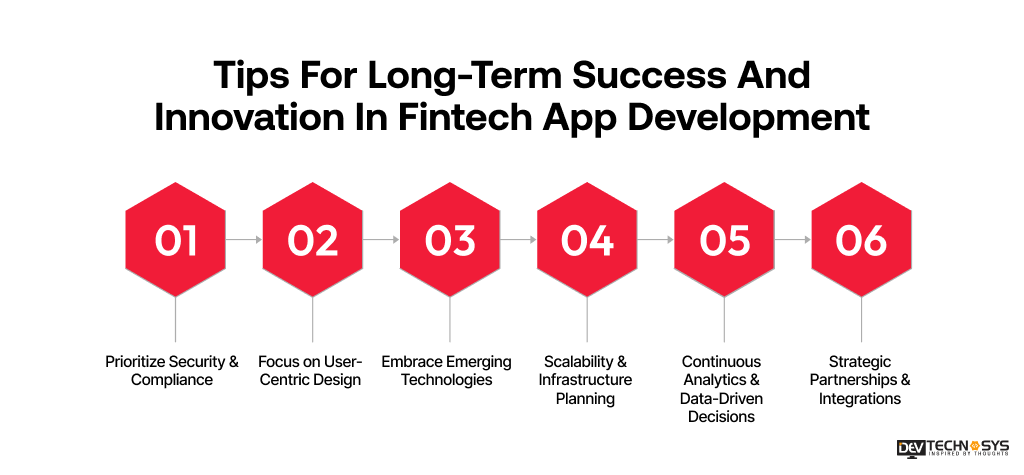
Long-term success in fintech app development depends on balancing innovation, security, and user satisfaction. Here are tips for long-term success and innovation in fintech app development:
1. Prioritize Security & Compliance
Experts who provide full-stack development services prioritize security measures. They maintain up-to-date security protocols, including encryption, fraud detection, and compliance with PCI DSS, GDPR, and local regulations. Regular audits and updates build user trust and protect against costly breaches.
2. Focus on User-Centric Design
Build a fintech app like Benefits Pay by continuously refining UX/UI based on user feedback. Intuitive navigation, personalization, and accessibility ensure higher engagement, adoption, and customer loyalty over time.
3. Embrace Emerging Technologies
Integrate AI for fraud detection, machine learning for personalized insights, blockchain for secure transactions, and voice/NFC payments. Innovation keeps the app competitive and future-ready.
4. Scalability & Infrastructure Planning
Design the backend for seamless scalability to handle increased users, transactions, and feature expansions. Cloud solutions, microservices, and load balancing ensure long-term performance.
5. Continuous Analytics & Data-Driven Decisions
Leverage real-time analytics to understand user behavior, monitor app performance, and identify opportunities for optimization. Data-driven strategies help improve retention and monetization.
6. Strategic Partnerships & Integrations
Collaborate with banks, fintech startups, and payment providers to expand offerings, access new markets, and enhance service quality. API integrations and partner ecosystems drive growth.
Final Remarks
Building a fintech app like BenefitPay requires careful planning, from defining your business model and understanding market needs to selecting the right tech stack, ensuring robust security, and delivering an intuitive user experience. By integrating advanced features, businesses can offer secure, seamless, and value-added financial services to their users.
If you are a business seeking a top fintech app development company in Middle East, contact Dev Technosys. With 800+ dedicated fintech app developers, we turn your raw idea into a scalable and market-ready app.
FAQs
Q1. How Much Does It Cost To Build A Fintech App Like Benefitpay?
The cost to develop an app like Benefits Pay lies between $8,000 and $15,000 for a basic MVP, while fully-featured, enterprise-level platforms with advanced functionalities, security, and compliance may range from $22,000 to $30,000+ or more, depending on scope.
Q2. How Long Does It Take To Develop Such An App?
Development timelines depend on app complexity. A minimum viable product (MVP) may take 3–6 months, a mid-range solution 6 to 9 months, while a comprehensive enterprise-grade app with advanced integrations and features can take 9 to 18 months or longer.
Q3. What Are The Key Features Required?
Key features of fintech app like Benefits Pay include:
- Wallet Management: Store, send, and receive funds securely
- Money Transfers & Bill Payments: Seamless peer-to-peer and utility payments
- KYC/AML Verification: Ensure regulatory compliance and user authenticity
- Transaction History: Track all financial activities
- Advanced Features: AI-based fraud detection, blockchain, NFC/QR payments, voice commands, and multi-currency support
Q4. How Can The App Be Monetized?
Here’s how you can monetize your fintech app:
- Transaction Fees: Charge per transfer or payment processed
- Premium Subscriptions: Subscription-Based fintech app offers additional features for paid users
- Merchant Partnerships: Earn commissions or referral fees from partnered businesses
- In-App Advertising: Display targeted promotions within the app
- Financial Products: Provide loans, insurance, or investment options for additional revenue
Q5.How Do I Ensure The App Remains Secure And Compliant?
Security and regulatory compliance are critical for fintech apps. Here are the methods to keep your app secure and compliant:
- Implement end-to-end encryption and secure APIs
- Conduct KYC/AML verification for all users
- Comply with PCI DSS, GDPR, and local fintech regulations
- Perform regular security audits and timely software updates
Q6. Can Small Businesses Afford To Build Such An App?
Even small businesses can enter the fintech space by starting with a basic MVP. Gradual scaling, careful feature selection, and cost-effective development strategies allow startups to test the market without overspending while building a competitive app.